How Farming Practices Can Help Pollinators Thrive
When Farming and Bees Work Together
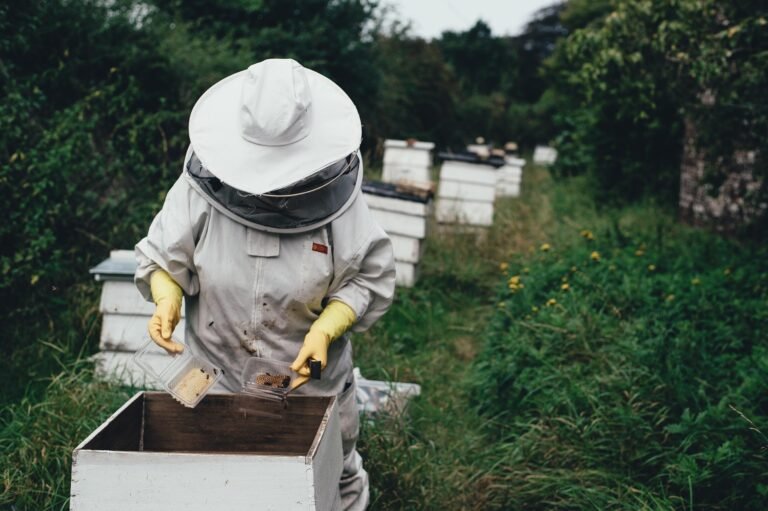
Bees have quietly supported human agriculture for thousands of years. Every time a bee moves pollen from one flower to another, it helps grow the foods we rely on daily—fruits, vegetables, nuts, seeds, and even crops used to feed livestock. Yet modern agriculture, as efficient as it may seem, has unintentionally placed enormous pressure on bee populations worldwide.
This is where sustainable agriculture comes in. Sustainable agriculture is not just about growing food—it’s about protecting ecosystems, conserving resources, and supporting biodiversity. When farming systems are designed with bees in mind, they create landscapes where pollinators can survive, reproduce, and flourish.
Understanding the relationship between sustainable agriculture bees depend on is key to protecting both our food system and the natural world. The good news? Farmers, gardeners, and consumers all have a role to play.
Why Bees Are Essential to Agriculture
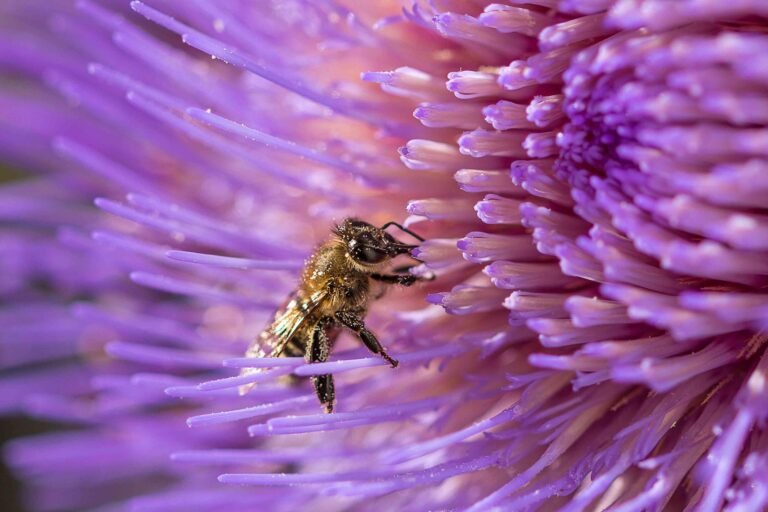
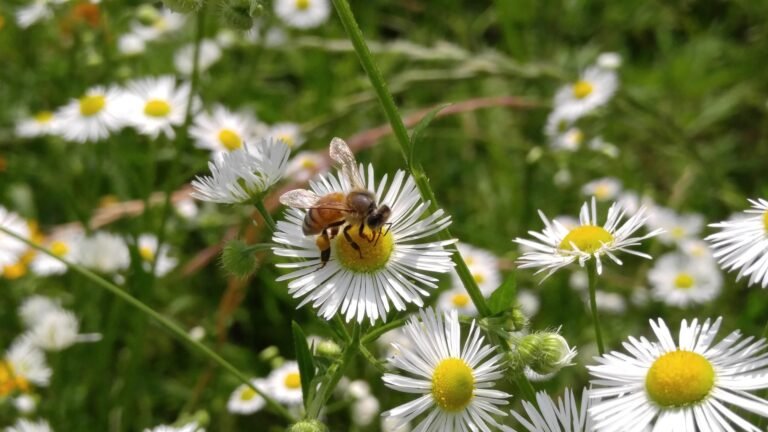
Bees are among the most effective pollinators on the planet. Unlike wind or self-pollinating plants, many crops require animal pollination to produce fruit. Bees visit flowers in search of nectar and pollen, unintentionally transferring pollen grains between plants and enabling fertilization.
It’s estimated that over one-third of the global food supply depends on pollinators like bees. Crops such as apples, almonds, blueberries, cucumbers, squash, and strawberries rely heavily on bee pollination. Without bees, food production would decline sharply—not just in quantity, but in quality as well.
Beyond crop yields, bees contribute to genetic diversity in plants. By cross-pollinating flowers, they help strengthen plant populations, making ecosystems more resilient to disease, pests, and climate stress.
The Problem: How Conventional Agriculture Harms Bees
Modern industrial farming has prioritized efficiency, uniformity, and large-scale production. While this approach has increased yields, it has also created environments that are difficult—or even deadly—for bees.
Habitat Loss
Large monoculture farms replace diverse plant ecosystems with single crops that bloom for only a short period. Once flowering ends, bees are left without food sources for the rest of the season.
Pesticide Exposure
Chemical pesticides, especially systemic ones, don’t just kill pests—they can harm bees directly or disrupt their navigation, reproduction, and immune systems. Even low doses can reduce a bee’s ability to return to its hive.
Lack of Floral Diversity
Bees need a wide variety of flowering plants to meet their nutritional needs. Monocultures offer limited pollen diversity, weakening bee health over time.
Soil Degradation
Unhealthy soil supports fewer flowering plants and microorganisms, reducing the overall vitality of agricultural landscapes—and the pollinators that depend on them.
What Is Sustainable Agriculture?
Sustainable agriculture is a holistic approach to farming that balances environmental health, economic viability, and social responsibility. It aims to produce food while preserving natural resources for future generations.
Key principles include:
- Maintaining soil health
- Conserving water
- Reducing chemical inputs
- Encouraging biodiversity
- Supporting local ecosystems
When bees are factored into these systems, farms become not just food producers—but pollinator refuges.
Bee-Friendly Farming Practices That Make a Difference
Crop Diversity and Rotation
Diversifying crops is one of the simplest ways to support bees. Different plants bloom at different times, providing nectar and pollen throughout the growing season.
Crop rotation also improves soil health and reduces pest pressure, which in turn lowers the need for chemical pesticides. Healthy soil supports stronger plants—and stronger plants support healthier pollinators.
Planting Pollinator Habitat on Farms
Sustainable farms often include pollinator strips, hedgerows, or wildflower borders along field edges. These areas provide:
- Continuous food sources
- Shelter from wind and predators
- Nesting opportunities
Native plants are especially valuable, as local bees have evolved alongside them and depend on them for survival.
Reducing or Eliminating Harmful Pesticides
Integrated Pest Management (IPM) focuses on prevention rather than eradication. Instead of spraying chemicals routinely, farmers:
- Monitor pest populations
- Use natural predators
- Apply treatments only when necessary
When pesticides are unavoidable, sustainable farms apply them during times when bees are least active and choose bee-safe alternatives whenever possible.
Supporting Wild Bees, Not Just Honeybees
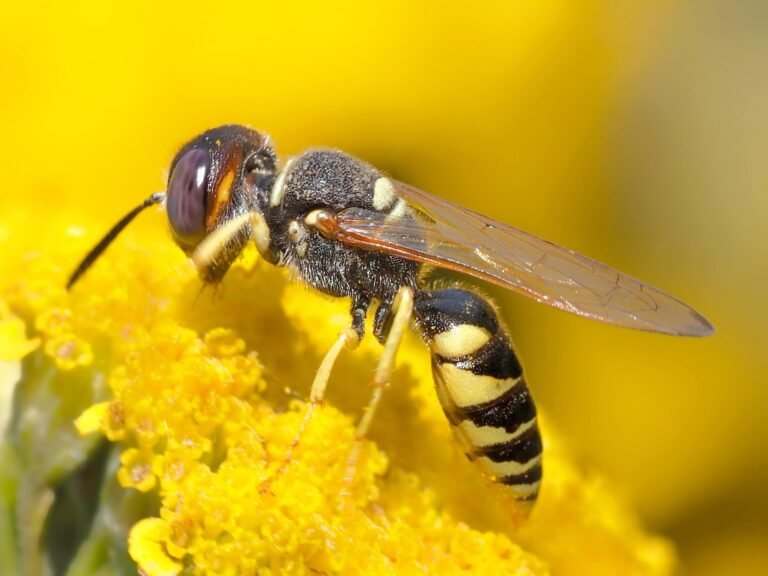
While honeybees get most of the attention, wild bees—including bumblebees, mason bees, and leafcutter bees—are incredibly efficient pollinators.
Sustainable agriculture encourages:
- Undisturbed soil patches for ground-nesting bees
- Hollow stems or wood for cavity-nesting species
- Reduced tillage to protect underground nests
A diverse bee population ensures more resilient pollination overall.
Improving Soil Health
Healthy soil is alive with microorganisms that support plant growth. Practices like composting, cover cropping, and reduced tillage create rich soil ecosystems that support flowering plants and beneficial insects.
Cover crops such as clover, vetch, and buckwheat not only enrich the soil but also provide excellent forage for bees during off-seasons.
Organic Farming and Bees: A Natural Partnership
Organic farming standards prohibit most synthetic pesticides and fertilizers, making organic farms significantly safer for bees.
Studies consistently show:
- Higher pollinator diversity on organic farms
- Increased bee abundance
- Improved crop pollination
While organic farming isn’t perfect, it aligns closely with the needs of pollinators and supports healthier agricultural ecosystems.
The Economic Benefits of Bee-Friendly Farming
Supporting bees isn’t just good for the environment—it’s good for farmers too.
Bee-friendly practices can lead to:
- Higher crop yields
- Better fruit quality
- Reduced pest outbreaks
- Lower long-term input costs
Pollination services provided by bees are worth billions globally. When farmers invest in sustainable systems, they protect this invaluable natural resource.
How Consumers Can Support Sustainable Agriculture Bees Need
You don’t have to be a farmer to make a difference. Consumer choices directly influence agricultural practices.
Buy Organic and Local
Organic and small-scale farms are more likely to use bee-friendly methods.
Support Pollinator-Friendly Brands
Look for certifications or transparency about sustainable farming practices.
Reduce Food Waste
Less waste means less pressure to intensify agricultural production.
Advocate for Change
Support policies and initiatives that promote sustainable agriculture and pollinator protection.
A Shared Future for Bees and Farming
Bees and agriculture are deeply interconnected. When farming systems respect natural processes, bees thrive—and when bees thrive, our food systems become more resilient.
Sustainable agriculture isn’t a return to the past; it’s a smarter way forward. By designing farms that work with nature rather than against it, we can create landscapes where crops grow abundantly, ecosystems flourish, and bees continue their essential work.
Protecting bees means protecting the future of food itself.
🌼 Final Takeaway
Sustainable agriculture bees depend on isn’t just about conservation—it’s about collaboration. Farmers, consumers, and communities working together can turn agricultural land into safe havens for pollinators. Every field planted thoughtfully, every pesticide avoided, and every wildflower strip added brings us closer to a world where bees and farming thrive side by side.