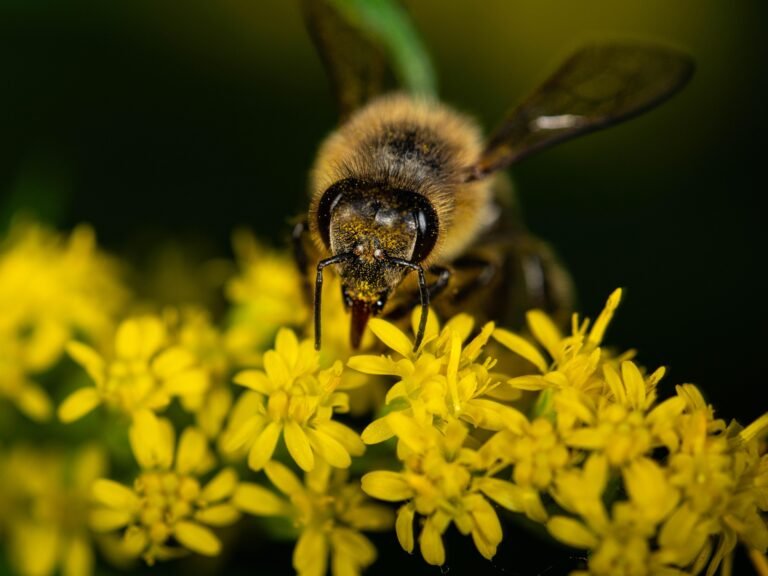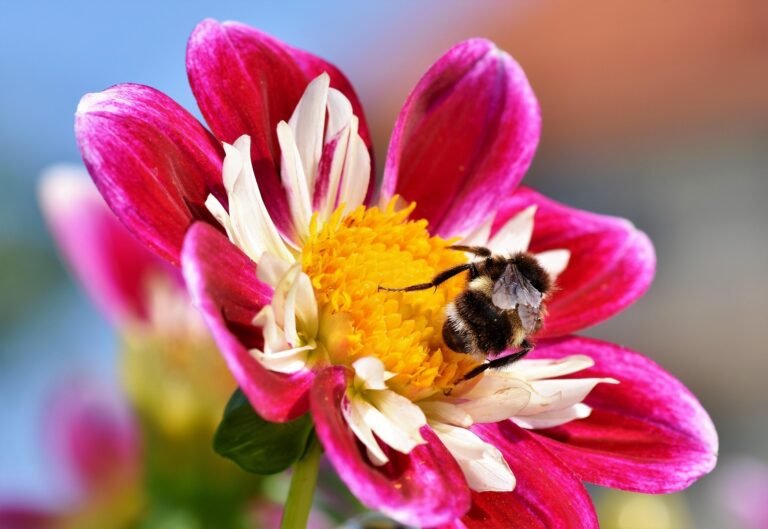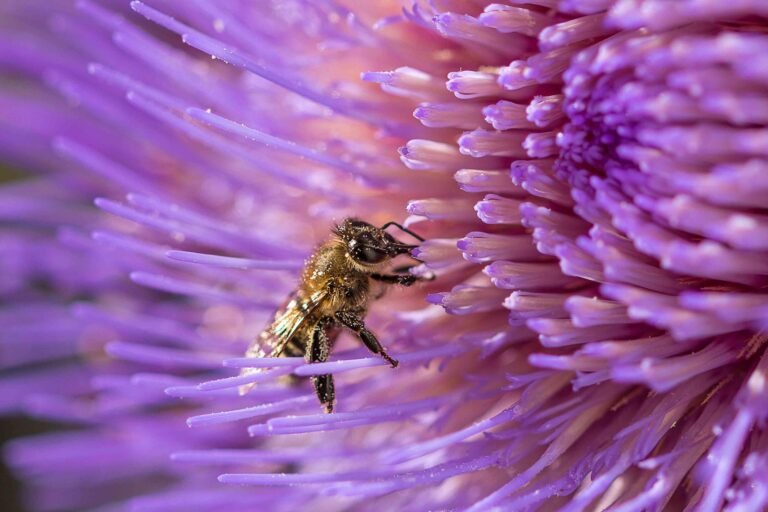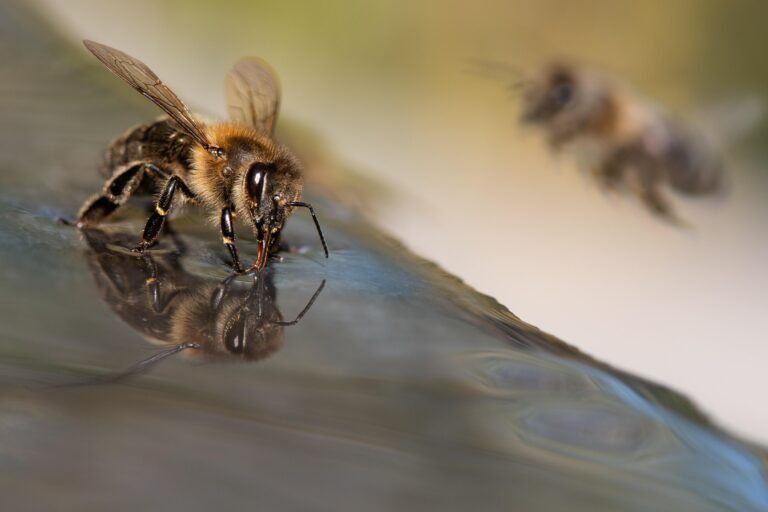
For decades, the perfect lawn has been sold as a symbol of pride: uniformly green, neatly trimmed, and free of anything that looks even remotely “wild.” But to bees and other pollinators, that tidy green carpet is essentially a food desert. There’s nothing to eat, nowhere to rest, and no reason to stay.
The good news is that lawns don’t need to be ripped out or replaced entirely to become helpful. By rethinking how often we mow, welcoming flowering plants, and making a few intentional changes, lawns can shift from ecological dead zones into vibrant, life-supporting spaces. Bee-friendly lawns aren’t about neglect; they’re about balance, patience, and allowing nature to do some of the work for us.
This shift matters more than ever. Pollinators are under immense pressure from habitat loss, pesticide exposure, climate change, and lack of food diversity. Residential lawns make up millions of acres across North America. When even a fraction of those spaces becomes friendlier to bees, the impact adds up quickly.
Rethinking the Role of the Lawn
Lawns were never meant to be ecological powerhouses. Their original purpose was aesthetic and recreational, not biological. Grass species commonly used in turf lawns offer virtually no nectar or pollen, which means they don’t contribute to the food chain that bees rely on to survive.
That doesn’t mean grass itself is evil or that every lawn must be replaced witha meadow. It means lawns should stop being the only thing in the yard. A bee-friendly lawn works best when grass becomes the background rather than the star of the show. By loosening our expectations and allowing some natural diversity to creep in, lawns can begin to serve more than one purpose.
Changing how we see lawns is often the biggest hurdle. Many people worry that letting grass grow longer or allowing flowers to bloom will look messy or unkempt. In reality, intentional natural growth tends to look soft, relaxed, and alive. There’s a difference between chaos and habitat, and bees are very good at finding the latter.
The Power of Mowing Less
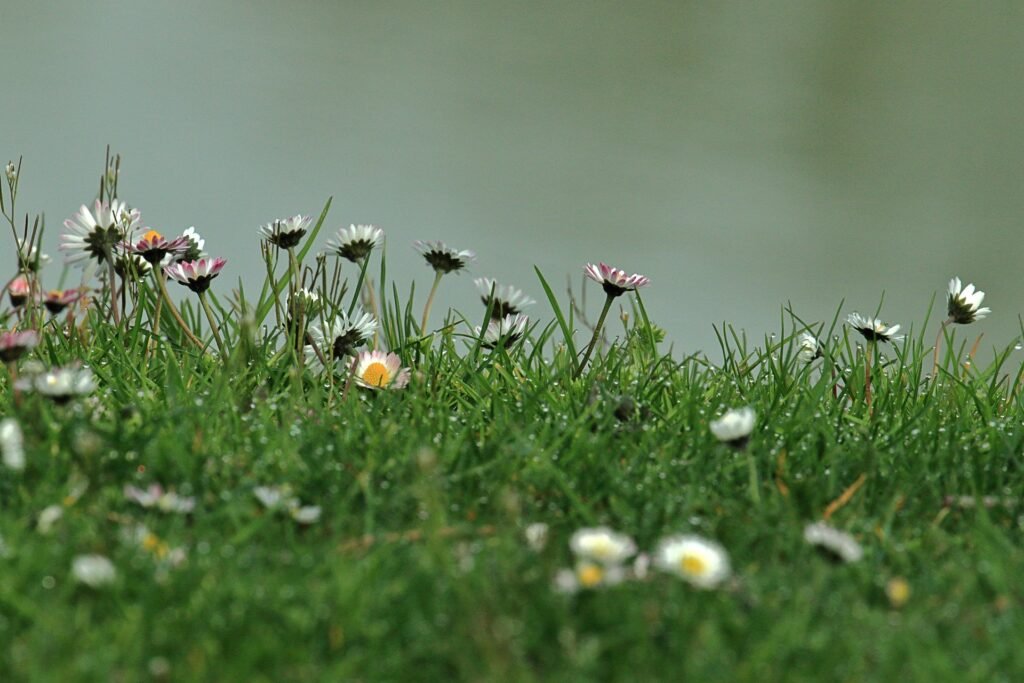
One of the simplest and most effective changes is mowing less frequently. Short, tightly clipped grass leaves no room for flowering plants to bloom. When lawns are allowed to grow just a little taller, clover, dandelions, self-heal, and other low-growing flowers have a chance to appear.
These early and hardy blooms are especially important in spring, when bees are emerging and desperately searching for food after winter. A lawn that hasn’t been scalped becomes a temporary buffet at a time when options are limited.
Reducing mowing also benefits soil health. Longer grass shades the ground, helping retain moisture and reduce stress during hot weather. Healthier soil supports healthier plant life, which in turn supports insects. There’s a cascading benefit that starts with simply giving the lawn a break.
Many people find that mowing less saves time, fuel, and money. Lawns don’t need to be cut every week to be functional. Stretching mowing intervals allows natural growth cycles to happen, and bees respond almost immediately.
Letting Flowers Take the Lead
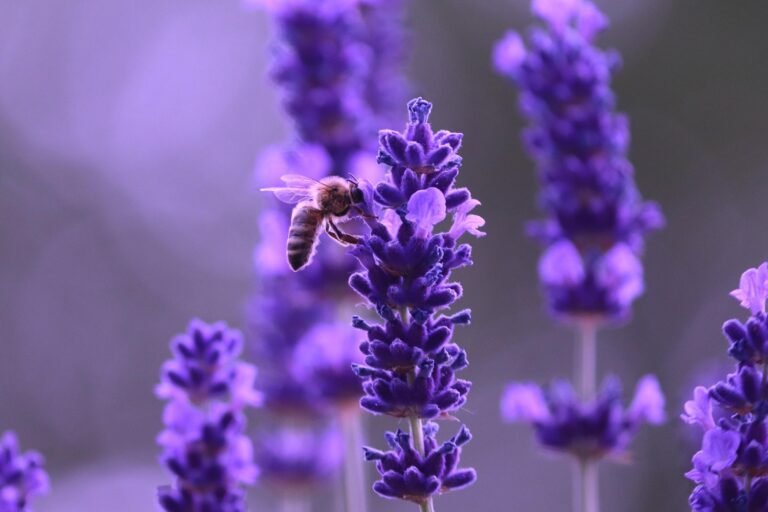
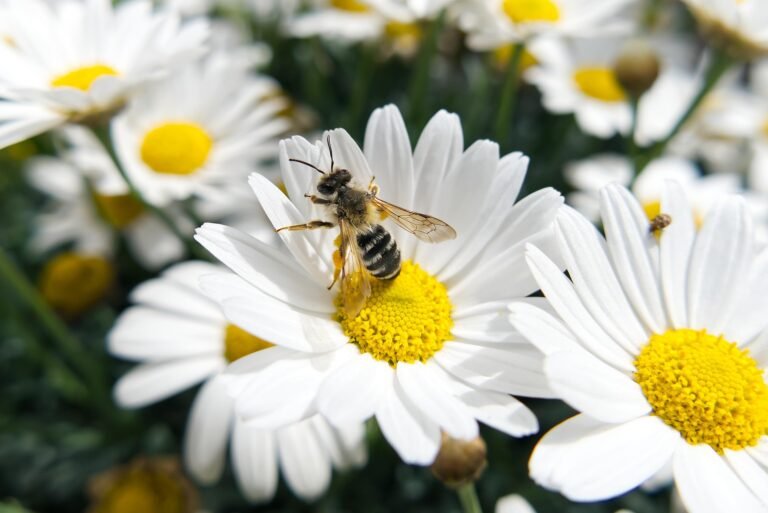
Flowers are the heart of a bee-friendly lawn. Bees rely on nectar for energy and pollen for protein, and lawns that include flowering plants become essential feeding grounds. What makes lawns especially valuable is that they’re close to nesting sites and often bloom earlier than larger gardens.
Common “weeds” are often some of the most beneficial plants for pollinators. Dandelions, for example, are rich in nectar and pollen and bloom when many other flowers haven’t yet appeared. Clover fixes nitrogen in the soil, improves lawn health, and provides abundant forage for bees throughout the growing season.
Allowing these plants to grow doesn’t require planting from scratch. In many cases, they’re already present, just suppressed by frequent mowing or chemical treatments. When lawns are permitted to be imperfect, these flowers often return on their own.
For those who want to be more intentional, overseeding lawns with low-growing flowering species can accelerate the transformation. Over time, lawns become visually dynamic, changing color and texture with the seasons, and buzzing softly with life.
Supporting Pollinators Beyond Bees
While bees are the most well-known pollinators, bee-friendly lawns support a much wider community. Butterflies, moths, beetles, flies, and even certain birds benefit from flowering lawns and healthier insect populations.
A lawn that includes diverse plant life creates layers of habitat. Some insects feed on flowers, others on leaves, and others on the insects themselves. This interconnected system strengthens the entire local ecosystem and reduces reliance on chemical pest control.
Pollinators also play a role in supporting nearby gardens, trees, and crops. A lawn that feeds bees contributes indirectly to better pollination of fruit trees, vegetable gardens, and native plants in the surrounding area. In this way, a single lawn becomes part of a much larger environmental network.
Moving Away from Chemicals
Chemical fertilizers, herbicides, and pesticides are among the biggest threats to bees in residential spaces. Many products marketed for lawn care don’t just kill weeds; they disrupt soil microbes, contaminate nectar, and weaken pollinators’ immune systems.
Bee-friendly lawns rely on natural processes rather than chemical intervention. Healthy soil, diverse plant life, and reduced mowing naturally suppress many problems that chemicals are designed to address. When lawns aren’t forced into unnatural uniformity, they tend to stabilize on their own.
Even products labeled as “safe” can have unintended effects when used repeatedly or improperly. Bees encounter these chemicals through direct contact, contaminated pollen, and water sources. Choosing to skip chemical treatments is one of the most impactful decisions a homeowner can make.
Over time, lawns that are managed gently often require less input overall. They become more resilient to drought, pests, and disease, which benefits both pollinators and people.
Creating a Sense of Intentional Care
One concern many people have is how neighbors or local bylaws will respond to a less manicured lawn. The key to navigating this is intention. Bee-friendly lawns work best when they look purposeful rather than abandoned.
Simple visual cues can make a big difference. Mowing clean edges along sidewalks or pathways signals care, even if the interior of the lawn is more natural. Allowing flowers to bloom in clusters rather than scattered randomly can also create a sense of design.
Educational signs explaining that the lawn is pollinator-friendly often shift perception from neglect to stewardship. When people understand the “why,” they’re far more supportive. In many communities, these lawns spark conversations and inspire others to rethink their own yards.
Bee-friendly lawns don’t have to break social norms; they can gently expand them.
Seasonal Changes and Long-Term Benefits
A bee-friendly lawn evolves over time. In the first season, the changes may be subtle: a few more flowers, a little more movement, a slight shift in texture. By the second or third year, the difference becomes undeniable.
As soil health improves, plant diversity increases. Pollinators return more consistently, and the lawn becomes a reliable food source throughout the growing season. This stability is especially important as climate patterns become less predictable.
Seasonal variation is part of the beauty. Spring brings early blooms and the emergence of bees. Summer offers abundance and activity. Fall provides late-season nectar for pollinators as they prepare for winter. Even winter has value, as undisturbed plant material offers shelter for overwintering insects.
Instead of fighting seasonal change, bee-friendly lawns embrace it.
A Small Shift With a Big Ripple Effect
Creating a bee-friendly lawn isn’t about perfection or sacrifice. It’s about choosing to let life happen where it’s been discouraged for too long. When lawns become places where flowers bloom and pollinators feed, they stop being passive spaces and start becoming active contributors to environmental health.
Each lawn that shifts toward supporting bees becomes part of a larger solution. Together, these small patches form corridors of habitat across neighborhoods, cities, and regions. Bees don’t recognize property lines, and they benefit from every welcoming space they encounter.
The transformation doesn’t happen overnight, but it doesn’t need to. Every time the mower stays in the garage a little longer, every time a flower is allowed to bloom, and every time chemicals are left on the shelf, bees notice. And when bees thrive, ecosystems follow.