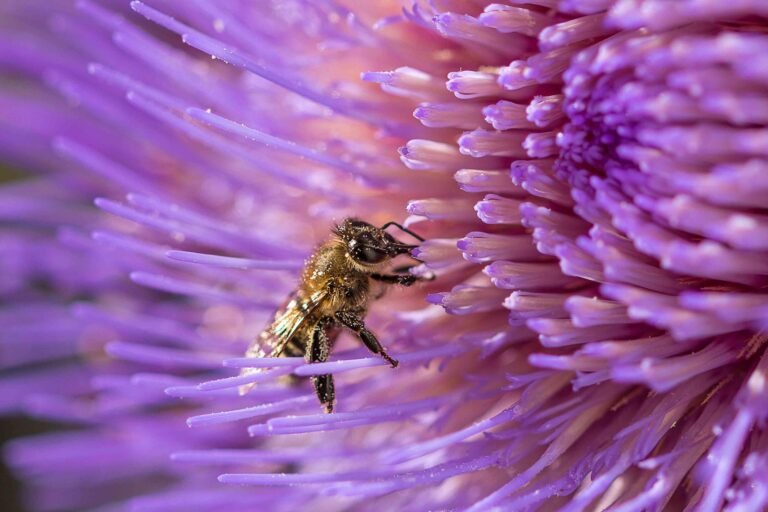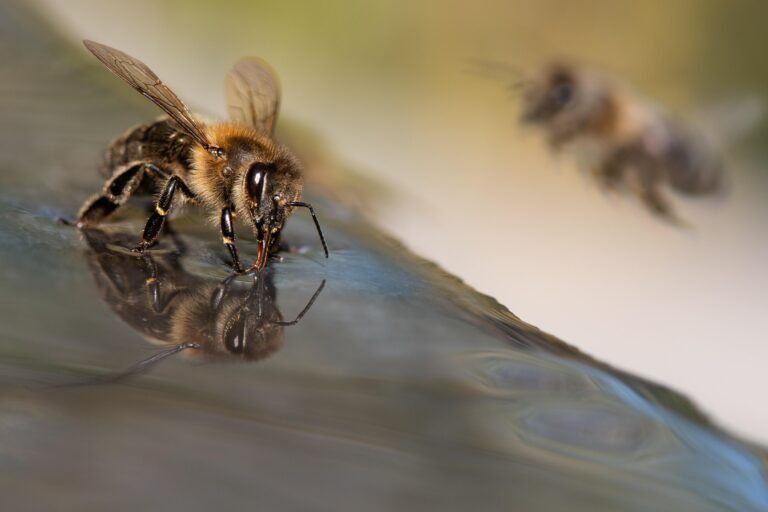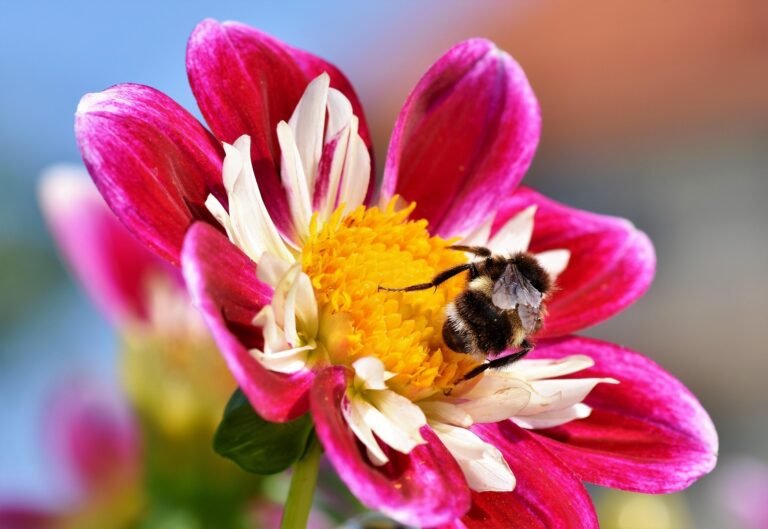
Growing bee-friendly herbs is one of the simplest ways to support pollinators while adding fresh, flavorful ingredients to your kitchen. Whether you have a spacious backyard, a small balcony, or even just a sunny windowsill, you can create a mini pollinator paradise with just a few pots of herbs. These plants are not only fragrant and useful for cooking but also provide essential nectar and pollen for hardworking bees.
Why Herbs Are Perfect for Bees
Herbs are excellent pollinator plants because they produce flowers that are rich in nectar and bloom throughout the growing season. Many herbs also thrive in small spaces and require minimal care, making them perfect for urban gardeners or busy households. By planting bee-friendly herbs, you are giving bees a reliable food source—something that is becoming increasingly rare due to habitat loss and pesticide use (Xerces Society).
The Best Bee-Friendly Herbs
Here are some of the top herbs you can grow to attract bees:
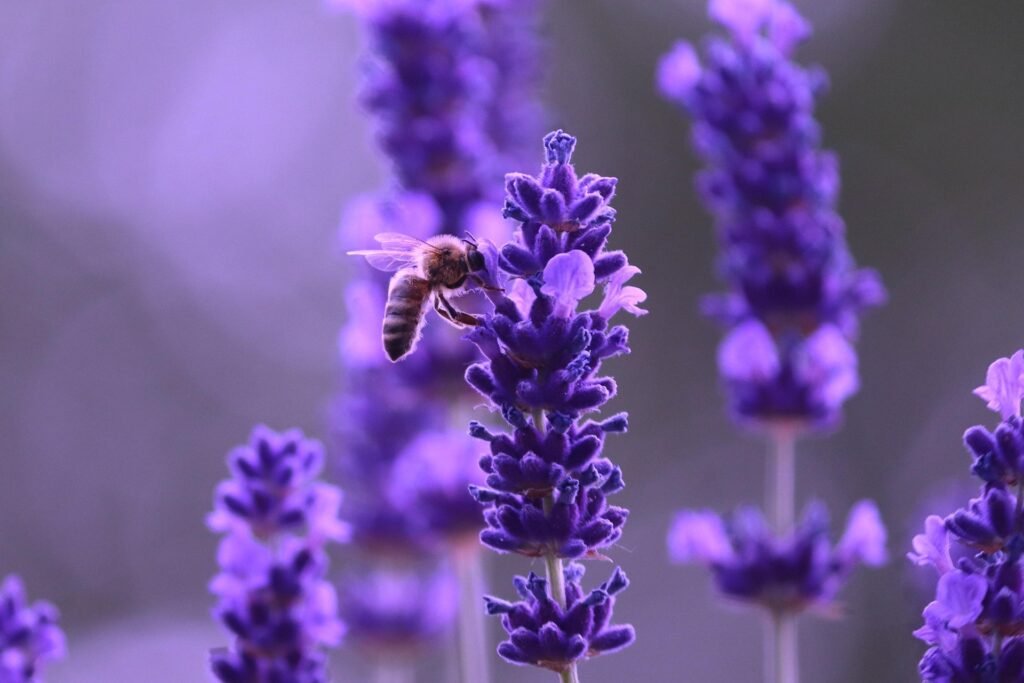
- Lavender: A classic pollinator favorite, lavender’s fragrant purple flowers are irresistible to bees. It thrives in full sun and well-drained soil.
- Thyme: This low-growing herb produces tiny, nectar-rich flowers. It’s perfect as a ground cover or in container gardens.
- Basil: Allowing basil to flower may reduce leaf production slightly, but bees will thank you for the abundant blooms.
- Mint: Spearmint and peppermint produce clusters of small flowers that attract bees. Keep mint in a container, as it can spread quickly.
- Oregano & Marjoram: These herbs produce clusters of pink or white flowers that are excellent nectar sources.
- Rosemary: This evergreen herb blooms early in the season, giving bees a vital food source when few other plants are flowering.
Tips for Growing Bee-Friendly Herbs
To make the most of your herb garden for pollinators, keep these tips in mind:
- Let them flower: Gardeners often pinch back herbs to encourage leaf growth, but allowing some to bloom will reward bees with nectar and pollen.
- Stagger plantings: Plant herbs with different blooming times to provide food throughout the season.
- Go organic: Avoid pesticides and herbicides, which can harm bees. Use natural pest control methods like hand-picking pests or introducing beneficial insects (Pollinator Partnership).
- Plant in clusters: Group herbs together so bees can forage efficiently without traveling too far between flowers.
Perfect for Any Space
One of the best things about bee-friendly herbs is how versatile they are:
- Small balconies: A few pots of lavender, thyme, or basil can create a buzzing oasis.
- Raised beds: Mix herbs with vegetables and flowers for a diverse pollinator-friendly space.
- Windowsills: Even a single pot of flowering mint can help feed pollinators in urban settings.
The Bonus: Fresh Flavors for You
Bee-friendly herbs aren’t just good for pollinators—they’re a win for you, too. Use fresh basil in summer salads, rosemary for roasted vegetables, and mint for cooling drinks. Growing your own herbs means you’ll always have fresh flavors at hand while supporting the pollinators that keep our food systems running.
A Small Garden with a Big Impact
Every pot of herbs makes a difference. By planting bee-friendly herbs, you create a valuable food source for bees, support biodiversity, and enjoy a fragrant, productive garden space. It’s a small step that contributes to a much larger effort to protect pollinators and sustain the environment.