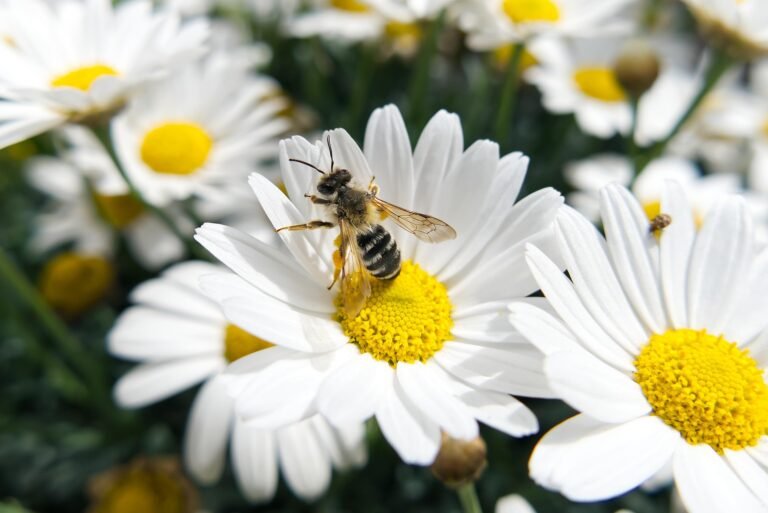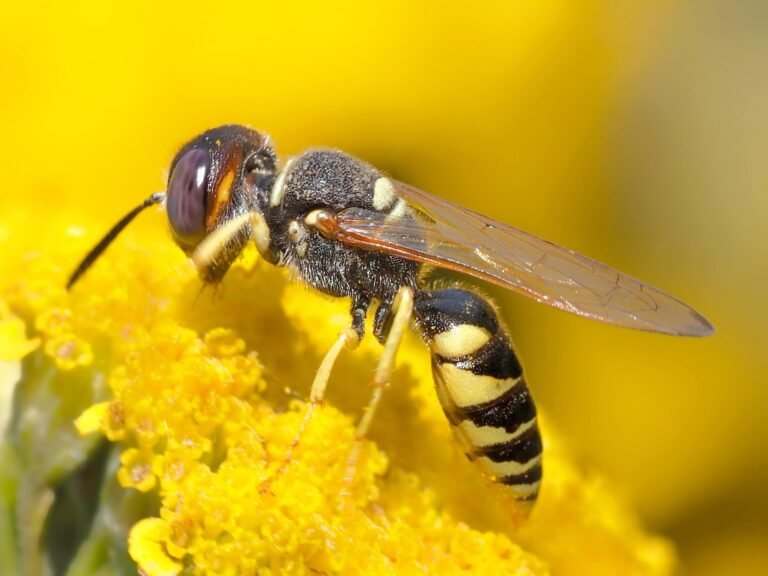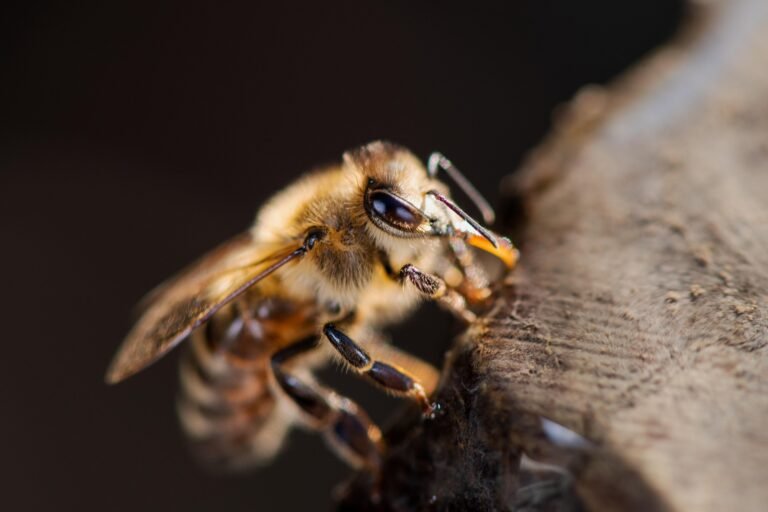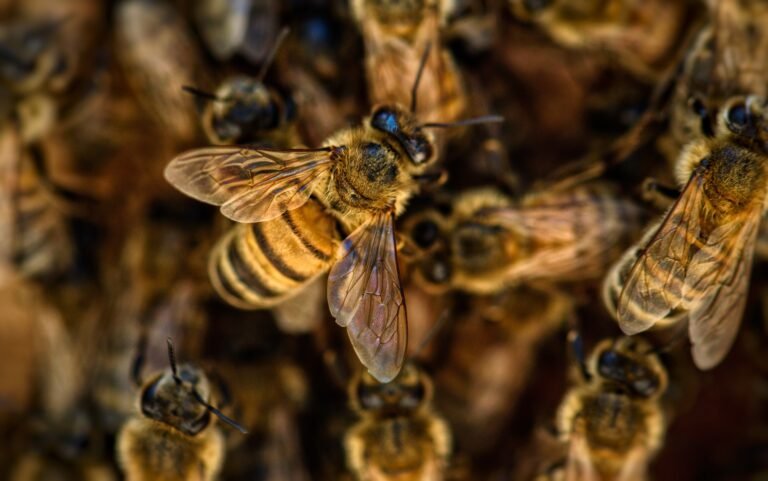
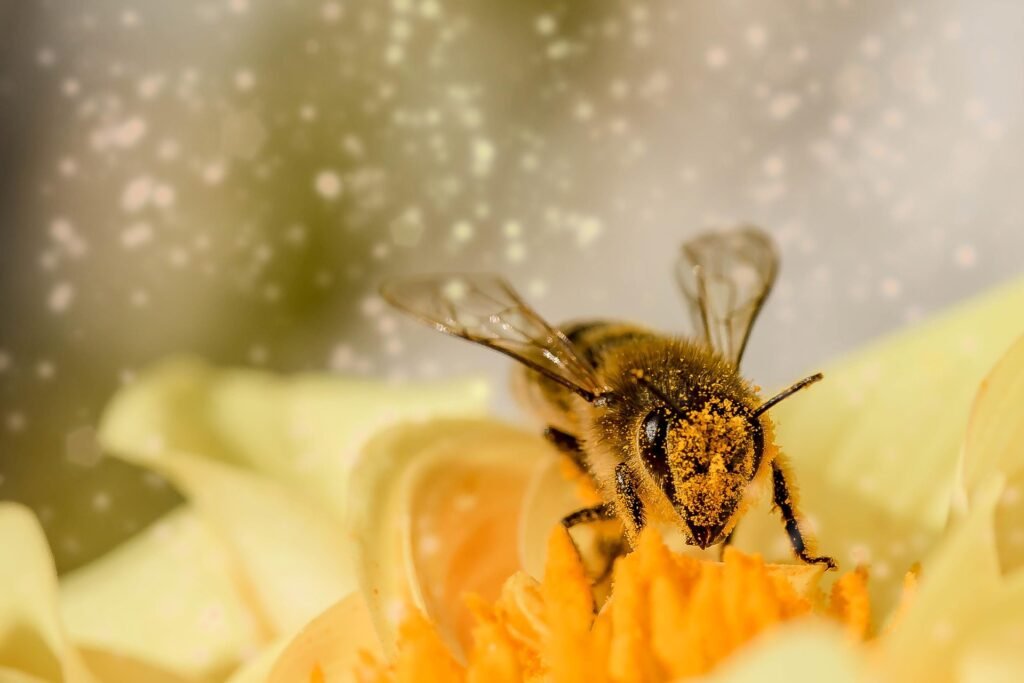
Pollination is a vital process for life on Earth, ensuring plants reproduce and provide the fruits, seeds, and flowers that countless species—including humans—depend upon. While many people are familiar with honeybees busily collecting nectar, there’s a lesser-known, fascinating form of pollination called buzz pollination. In this process, certain bees perform a remarkable feat: they vibrate flowers to release pollen that would otherwise remain trapped.
Buzz pollination is an exquisite example of nature’s ingenuity, highlighting the complex relationships between insects and plants. These vibrations, subtle yet powerful, unlock resources within flowers that many other pollinators can’t access, supporting both biodiversity and agricultural productivity.
What is Buzz Pollination?
Buzz pollination, scientifically known as sonication, is a method used by some bees to dislodge pollen from flowers. Unlike regular pollination, where bees brush against pollen while collecting nectar, buzz-pollinating bees actively shake the flower using rapid wing vibrations. This mechanical action forces pollen to emerge from specialized flower structures.
Certain flowers, like tomatoes, potatoes, blueberries, and cranberries, have anthers (the pollen-bearing parts) that are tubular or poricidal, meaning the pollen is trapped inside small pores or tubes. Ordinary pollination methods are insufficient for these plants because pollen doesn’t easily fall out. Buzz pollination solves this problem.
Which Bees Buzz?
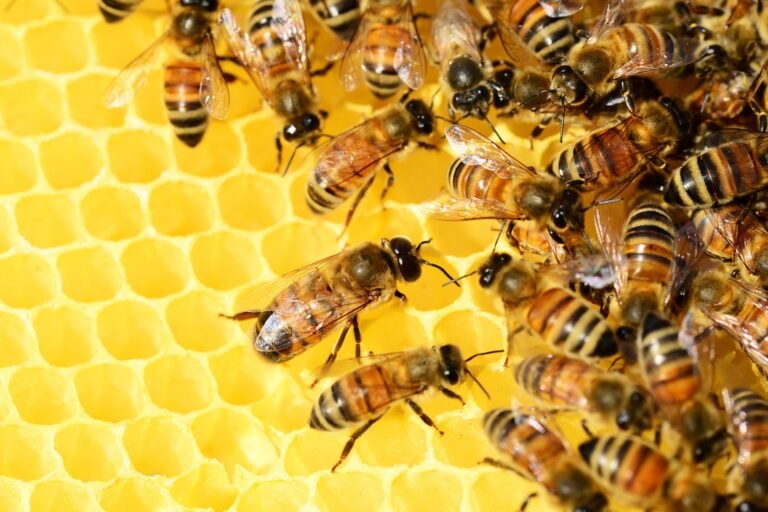
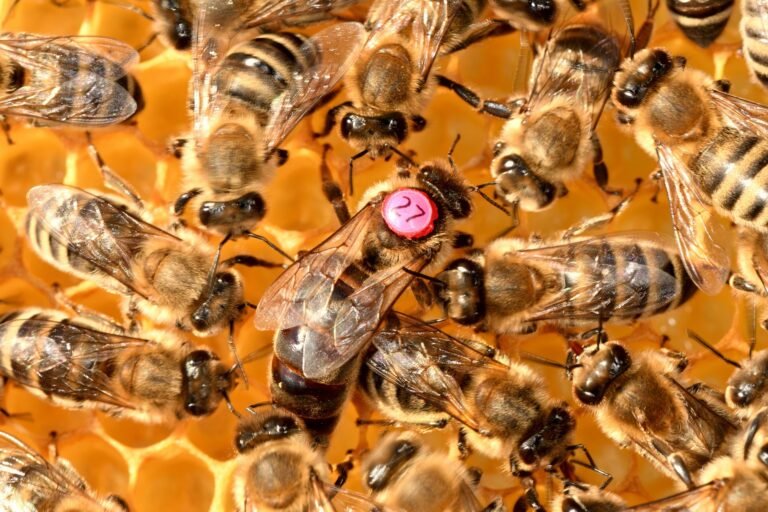
Not all bees can perform this unique pollination technique. The ability to buzz-pollinate is mainly found in bumblebees, some species of solitary bees, and occasionally other large bees. Honeybees, despite their fame and numbers, generally do not buzz-pollinate.
Bumblebees are particularly adept at this because of their size, strength, and wing vibration abilities. A bumblebee performing buzz pollination grips the flower with its legs and vibrates its flight muscles without flapping its wings. The frequency of this vibration is high—often between 200 and 400 Hz—which is enough to release the stubborn pollen.
How Buzz Pollination Works
Buzz pollination is a combination of skill, anatomy, and natural rhythm. Here’s a step-by-step look at the process:
- Locating the Flower: The bee identifies flowers with poricidal anthers using sight and scent. These flowers are often rich in pollen but may not offer nectar as a reward.
- Gripping the Flower: The bee lands on the flower and clings firmly to the anthers or petals. This stable grip is crucial for effective vibration.
- Vibrating Flight Muscles: Without moving its wings, the bee activates its thoracic flight muscles to produce vibrations. These vibrations travel through the bee’s body into the flower.
- Releasing Pollen: The vibrations shake loose the pollen from the anther’s pores, sending tiny clouds of pollen into the air or onto the bee’s body.
- Transporting Pollen: The bee collects some pollen on specialized structures, like pollen baskets (corbiculae), which it uses to feed its young. The remaining pollen often sticks to other flowers, ensuring cross-pollination.
This process is so efficient that a single bumblebee can pollinate a flower in seconds, making buzz pollination highly effective for both wild and cultivated plants.
Why Buzz Pollination is Essential
Buzz pollination is not just a quirky behavior; it is ecologically and agriculturally significant. Some plants are entirely dependent on buzz-pollinating bees for reproduction. Without these bees, crops like tomatoes and blueberries could see reduced yields.
In natural ecosystems, buzz-pollinating bees contribute to plant diversity by ensuring that flowers with specialized pollen structures are fertilized. This diversity supports other wildlife, from insects to birds to mammals, maintaining a balanced ecosystem.
Furthermore, buzz pollination can improve the quality of fruit and seeds. For example, tomatoes pollinated via sonication tend to have more uniform fruit shapes and higher seed counts. In agriculture, some farmers even use bumblebee hives in greenhouses specifically for this purpose.
The Physics of Buzzing
The phenomenon of buzz pollination is fascinating not just biologically, but also physically. When a bee vibrates, it generates mechanical energy at a frequency that resonates with the anthers. Think of it like shaking a salt shaker: the right motion causes the contents to move freely.
Some studies have measured the vibrational frequency of bumblebees during buzz pollination at around 300 Hz. This specific frequency is incredibly effective at ejecting pollen from poricidal anthers, which might otherwise remain inaccessible. The bee’s ability to tune its vibration is a remarkable evolutionary adaptation.
Challenges for Buzz-Pollinating Bees
Despite their importance, buzz-pollinating bees face numerous threats. Habitat loss, pesticide exposure, climate change, and disease have all contributed to declining populations. When these bees struggle, the plants dependent on them can also suffer, creating cascading effects in ecosystems and food systems.
Supporting buzz-pollinating bees requires thoughtful conservation efforts: planting native flowers, reducing pesticide use, and providing habitats for nesting. Even small actions in gardens and community spaces can help these vital pollinators thrive.
Buzz Pollination in Your Garden
Gardeners can encourage buzz pollination by planting flowers that attract bumblebees and solitary bees. Plants like tomatoes, peppers, eggplants, blueberries, cranberries, and certain wildflowers benefit greatly from buzz pollination.
Providing nesting sites, such as undisturbed soil or bee boxes, and planting a variety of flowering species ensures a continuous food supply for bees throughout the season. Avoiding broad-spectrum insecticides protects these sensitive pollinators from harm.
Even watching a bumblebee buzz-pollinate a flower is a mesmerizing experience. Observing this intricate behavior fosters a deeper appreciation for the hidden mechanics of nature and the tiny heroes sustaining life around us.
The Future of Buzz Pollination
As awareness grows about the importance of pollinators, buzz pollination has gained attention in both scientific research and agricultural innovation. Researchers are exploring ways to replicate sonication artificially using vibrating tools to improve crop yields. However, nothing can fully replace the efficiency, intelligence, and ecological benefits of live bees.
Protecting buzz-pollinating species is critical not only for agriculture but for preserving the complexity and beauty of natural ecosystems. Each vibration of a bee’s wings is a reminder of the delicate balance that sustains life.
Buzz pollination may seem like a small, almost magical behavior, but its impact is enormous. From supporting plant diversity to boosting crop production, these vibrating pollinators perform a service that goes unnoticed by most of us. By understanding and protecting buzz-pollinating bees, we can ensure that nature’s symphony continues to play, with every flower and bee contributing to the melody.