Why Bees Need a Dedicated Water Source
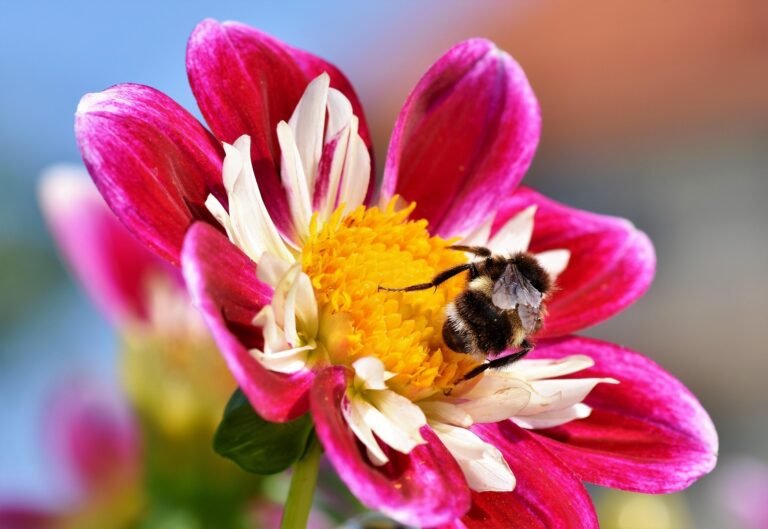
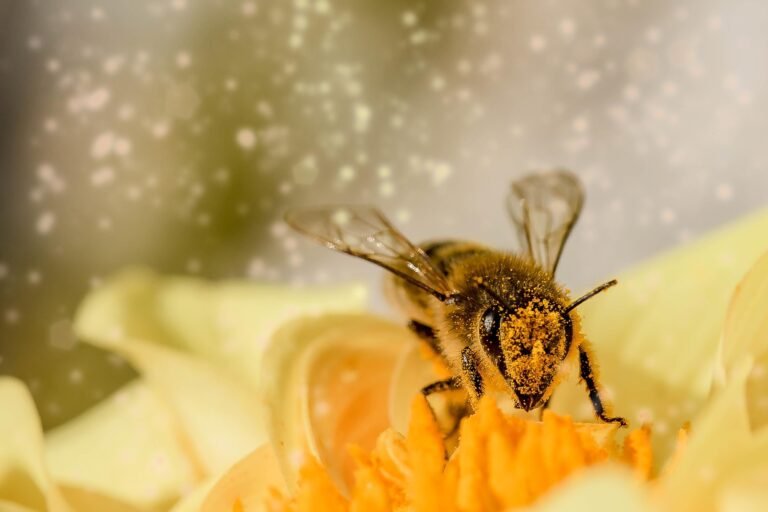
In the gentle hum of a thriving garden, bees play a role that is both silent and indispensable. They are vital pollinators, the quiet workforce behind the growth of fruits, vegetables, and countless flowering plants. Yet, as seasons shift and urbanization spreads, these essential creatures face dwindling resources, particularly clean, safe water.
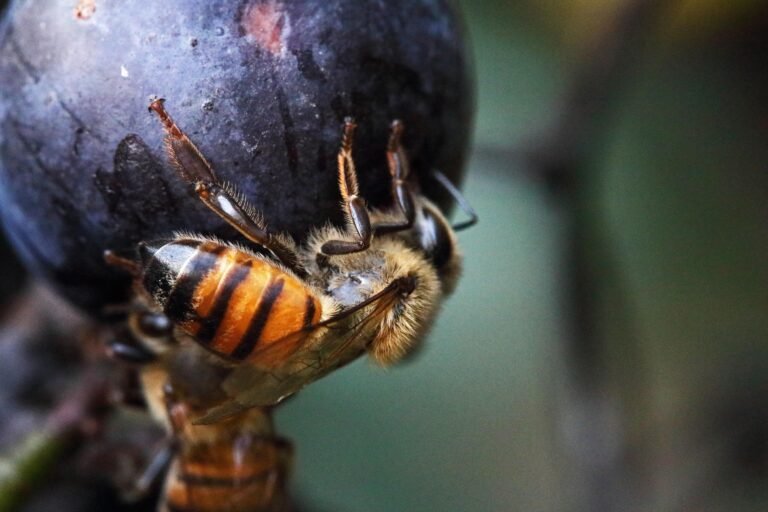
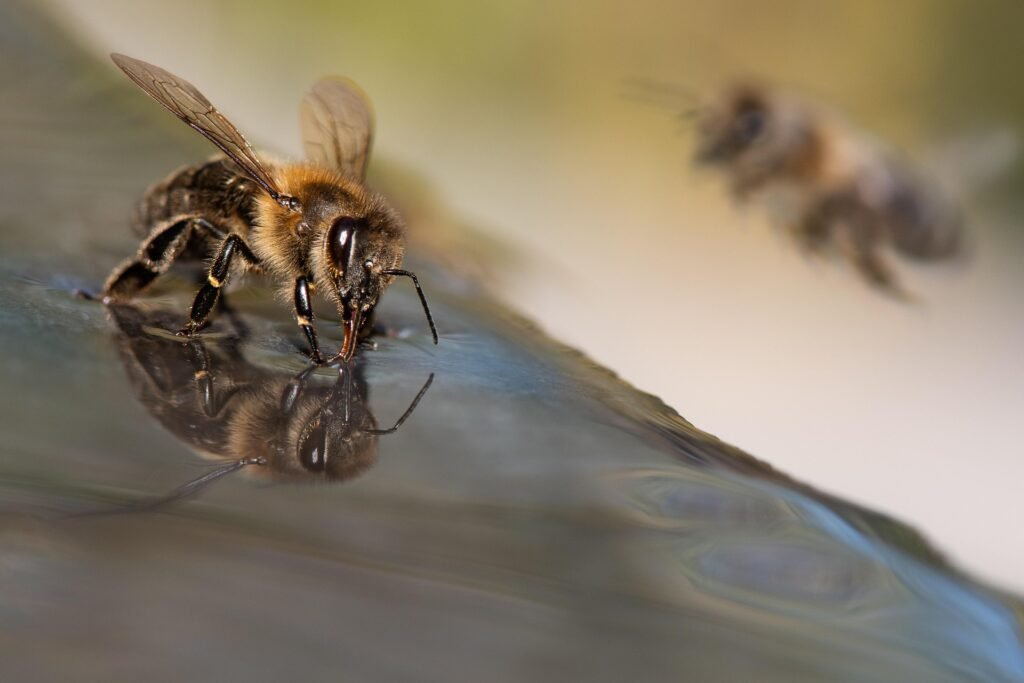
Unlike humans, bees cannot simply turn on a tap or carry bottled water. They rely on natural sources such as ponds, streams, puddles, and dew on leaves. Unfortunately, these sources are often scarce, especially in hot summer months or urban areas dominated by concrete and asphalt. A dedicated bee water station in your garden provides a reliable hydration source, reducing stress on these tiny but crucial insects and supporting their survival.
Choosing the Right Spot for Your Bee Water Station
Location is key when setting up a bee water station. Bees prefer calm, safe areas away from heavy foot traffic, predators, and strong winds. A partially shaded spot is ideal, keeping the water cool and comfortable for bees even on the hottest days.
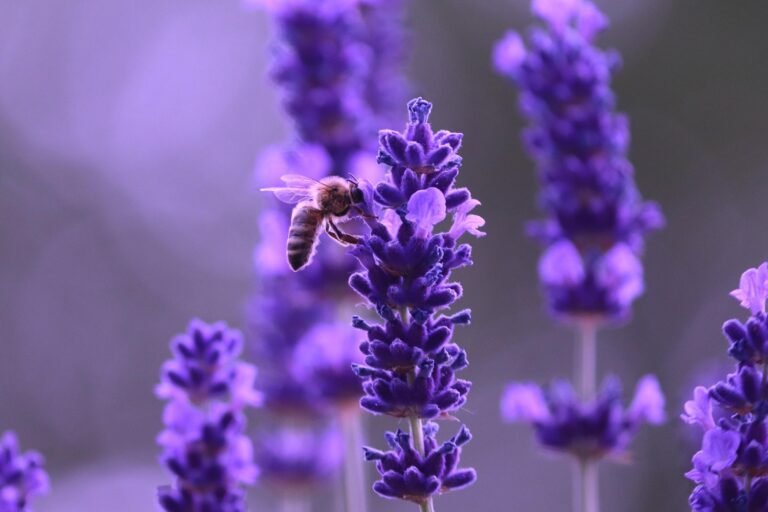
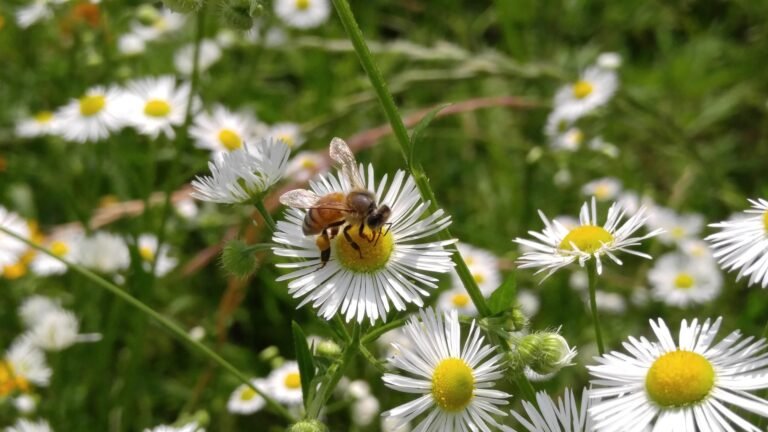
Placing the station near flowering plants or herbs naturally attracts pollinators. Bees will have convenient access to both food and water, encouraging repeated visits. The station should also be easily observable for the gardener, allowing for simple maintenance and the joy of watching pollinators in action.
Simple DIY Designs for Safe Hydration
The beauty of a bee water station lies in its simplicity. Even a small garden or balcony can host a functional station. A shallow dish filled with water and a few pebbles or floating corks creates tiny islands where bees can safely land and drink. These “islands” prevent bees from slipping into the water while allowing them to sip comfortably.
Natural elements like moss, twigs, or small bark pieces enhance both aesthetics and functionality, providing secure landing spots. The key is to mimic the safety and convenience of natural puddles while avoiding the risks of deeper water sources where bees might drown. Even a modest station can serve dozens of bees daily, making a real difference in their survival.
Maintaining a Clean and Healthy Water Station
Cleanliness is essential for a successful bee water station. Stagnant water can become a breeding ground for bacteria or mosquitoes, potentially harming bees. Refreshing the water daily or every couple of days ensures a safe environment.
Adding small stones or corks not only gives bees a safe landing but also helps prevent contamination by debris. Monitoring the station regularly allows you to adjust water levels and remove any accumulated dirt or leaves. This maintenance ensures the station remains a dependable resource for pollinators throughout the season.
Seasonal Tips for Year-Round Bee Support
Different seasons bring unique challenges for garden pollinators. During spring and early summer, when flowers are abundant and bees are highly active, a steady supply of fresh water is critical. In late summer and early fall, when some flowers may have faded, the water station helps sustain bees as they prepare for overwintering.
In colder climates, shallow heated containers or insulated setups can provide hydration during early thaw periods. Even small adjustments, like moving the station to a sunnier location or replenishing water more frequently, can make a significant difference. Adapting your bee water station seasonally ensures it remains a reliable resource year-round.
Encouraging Pollinators Beyond Your Garden
A single water station can attract a variety of bees, from honeybees to solitary native species. For larger gardens, multiple stations at varying heights or in different microclimates can further reduce competition and provide options for different species.
Communities or neighborhood gardens can collaborate to create shared watering spots, multiplying the impact. By offering safe hydration, you’re not only supporting the bees in your immediate garden but contributing to local biodiversity and healthier ecosystems. The presence of pollinators encourages thriving plant life, which in turn attracts other beneficial insects, creating a positive ripple effect.
The Lasting Impact of Providing Water for Bees
Providing a bee water station is a simple yet profound way to support pollinators and enrich your garden. While it may seem like just a shallow dish in the garden, it can dramatically influence the health and survival of local bees.
Beyond the practical benefits, a water station offers a window into the fascinating lives of pollinators. Observing bees navigate landing spots and sip from tiny islands deepens appreciation for the delicate balance of nature. Each small action contributes to the greater goal of sustaining pollinator populations, protecting ecosystems, and fostering environmental stewardship.
Creating a bee water station requires minimal effort, yet it provides lasting rewards—for the bees, for your garden, and for anyone who values the beauty and complexity of a thriving ecosystem. It is a small, actionable step that makes a meaningful difference in the lives of essential pollinators.