Ultraviolet Vision Explained
The world as we see it is only a fraction of what actually exists. For bees, the environment looks completely different—more vibrant, more detailed in some ways, and filled with hidden patterns invisible to human eyes.
Understanding how bees see the world gives us a deeper appreciation of their role as pollinators. Their vision is not just a biological curiosity—it’s a finely tuned system designed to help them find flowers, navigate landscapes, and survive.
In this article, we’ll explore how bee vision works, what ultraviolet light reveals, and why this unique perspective is essential to ecosystems.
The Basics of Bee Vision
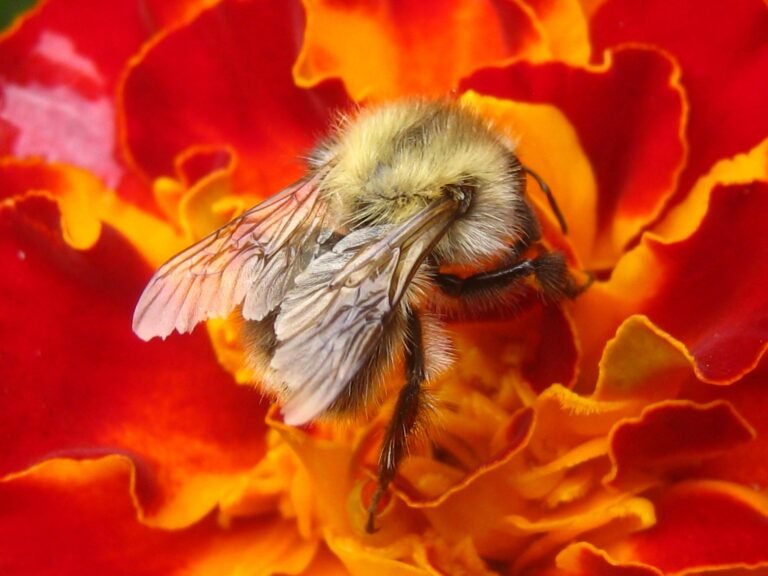
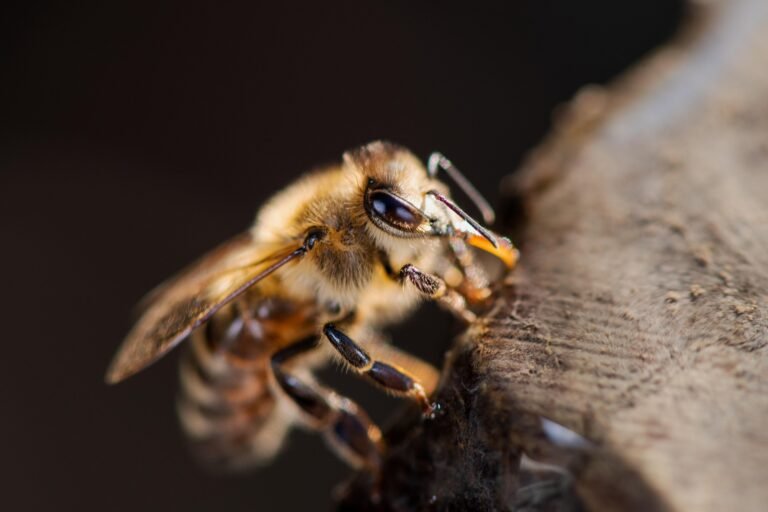
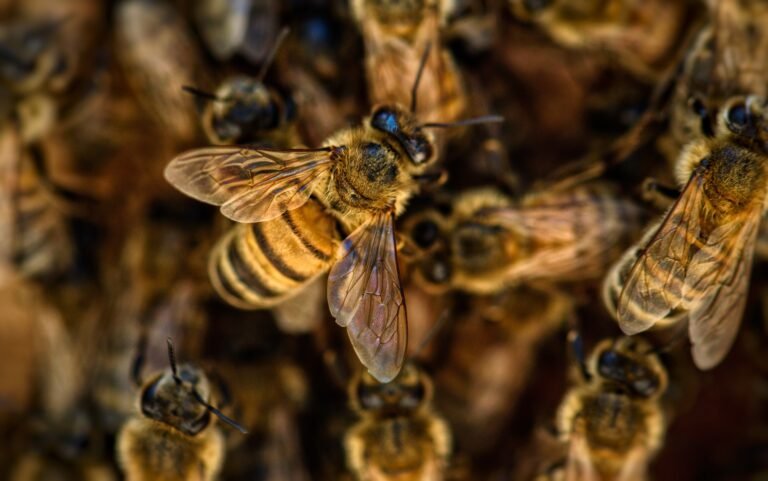
Bees have compound eyes made up of thousands of tiny lenses called ommatidia. Each lens captures a small piece of the visual field, and together they form a mosaic-like image.
While this structure gives bees a wide field of view and excellent motion detection, it comes at the cost of sharp detail. Bees don’t see crisp images like humans do.
Instead, they are highly sensitive to movement, patterns, and color contrasts.
The Colors Bees Can See
Humans see three primary colors: red, green, and blue. Bees, however, see a different spectrum.
They can detect:
- Ultraviolet (UV)
- Blue
- Green
Interestingly, bees cannot see red. What appears red to us may look dark or even black to a bee.
This difference has a major impact on how bees interact with flowers.
What Is Ultraviolet Light?
Ultraviolet light is a type of electromagnetic radiation that exists beyond the violet end of the visible spectrum. Humans can’t see it, but bees can.
Many flowers have evolved to reflect UV light in specific patterns. These patterns act as visual guides, leading bees directly to the nectar.
To a human, a flower might look like a simple yellow bloom. To a bee, it could appear as a complex target with a glowing center and directional markings.
UV Patterns: Nature’s Landing Strips
These ultraviolet patterns are often referred to as “nectar guides.”
They help bees quickly identify where to land and where to find food. This makes foraging more efficient and increases the chances of successful pollination.
Some flowers even change their UV patterns after being pollinated, signaling to bees that they are no longer worth visiting.
This dynamic interaction between plants and pollinators is a perfect example of coevolution.
How Bee Vision Affects Behavior
Because bees rely heavily on vision, their behavior is closely tied to what they see.
They are naturally drawn to flowers that stand out in their visual spectrum—especially those with strong UV patterns.
Bees also use visual cues for navigation. They remember landmarks, patterns, and spatial relationships, helping them travel long distances and return to the hive.
Motion Detection and Survival
One of the strengths of bee vision is motion detection.
Bees are extremely sensitive to movement, which helps them avoid predators and navigate through complex environments.
This is why sudden movements can startle bees and trigger defensive behavior. From their perspective, rapid motion may signal danger.
Polarized Light and Navigation
In addition to UV vision, bees can detect polarized light.
This allows them to navigate even when the sun is hidden behind clouds. By interpreting patterns in the sky, bees can determine direction with remarkable accuracy.
This ability works alongside their internal clock, helping them adjust their navigation throughout the day.
Why Bee Vision Matters for Pollination
Bee vision is directly linked to pollination success.
Because bees are attracted to specific colors and patterns, they tend to visit certain types of flowers more consistently. This improves pollen transfer and increases plant reproduction.
Without this specialized vision, bees would be far less efficient, and ecosystems would be dramatically affected.
How Humans Can Support Bee Vision
Understanding how bees see the world can help us create more bee-friendly environments.
Planting flowers that are rich in UV patterns and within the blue and yellow spectrum can attract more bees. Avoiding pesticides and preserving natural habitats also supports their ability to forage effectively.
Even small gardens can make a difference.
Final Thought
The way bees see the world is both alien and extraordinary. Their ability to detect ultraviolet light, interpret patterns, and navigate using visual cues makes them incredibly effective pollinators.
By understanding bee vision, we gain insight into one of nature’s most important relationships—the connection between bees and flowers.
It’s a reminder that there’s more to the world than meets the human eye—and that even the smallest creatures experience it in ways we are only beginning to understand.