How Citizen Science Helps Track Bees
Across the globe, bee populations are facing increasing pressure from habitat loss, pesticide use, climate change, and disease. While scientists continue to study these trends, there’s a growing realization that they can’t do it alone. Monitoring bee populations on a meaningful scale requires more eyes, more data, and more local insight than traditional research alone can provide.
This is where everyday people step in.
Bee population monitoring is no longer limited to researchers in labs or field stations. Through citizen science and community-driven initiatives, individuals can play a direct role in tracking bee activity, identifying species, and contributing valuable data to conservation efforts.
In this article, we’ll explore how bee population monitoring works, why it matters, and how anyone—from backyard gardeners to nature enthusiasts—can get involved.
Why Bee Population Monitoring Matters
Bees are essential pollinators, responsible for supporting ecosystems and contributing to the production of many crops we rely on daily. However, without accurate data, it’s difficult to understand how bee populations are changing over time.
Monitoring provides the foundation for conservation.
By tracking bee populations, scientists can identify declines, detect emerging threats, and measure the effectiveness of conservation strategies. It also helps pinpoint which species are most at risk and where intervention is needed most.
On a local level, monitoring gives communities insight into the health of their environment. A thriving bee population often indicates a healthy ecosystem, while declines can signal broader environmental issues.
What Is Citizen Science?
Citizen science refers to research efforts that involve the public in data collection and observation. In the context of bees, this means individuals recording sightings, photographing bees, or participating in structured surveys.
These contributions are then shared with scientists, who analyze the data to identify patterns and trends.
Citizen science is especially valuable because it expands the reach of research. Instead of relying on a limited number of researchers, data can be gathered from thousands of locations simultaneously.
This creates a more complete picture of bee populations across regions and even entire countries.
How Bee Population Monitoring Works
At its core, bee population monitoring involves observing and recording bee activity over time.
This can include:
- Noting the number of bees visiting flowers
- Identifying different species
- Tracking seasonal patterns
- Recording environmental conditions
The data is typically submitted through apps, websites, or organized programs, where it becomes part of a larger dataset.
Over time, this information helps reveal trends—such as population increases or declines, changes in distribution, and shifts in behavior.
Common Methods of Monitoring Bees
There are several approaches used in bee population monitoring, ranging from simple observations to more structured surveys.
Visual Surveys
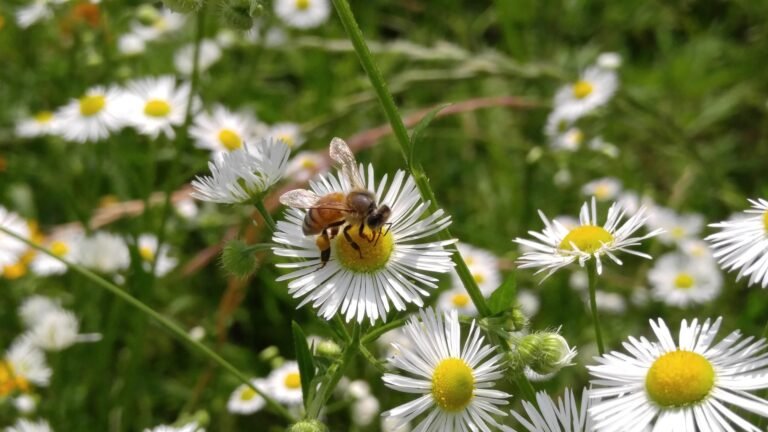
One of the easiest methods is simply observing bees in your local area. This might involve watching a garden, park, or natural space and recording what you see.
Even basic observations—such as how many bees visit a patch of flowers—can provide useful data when collected consistently.
Photographic Identification
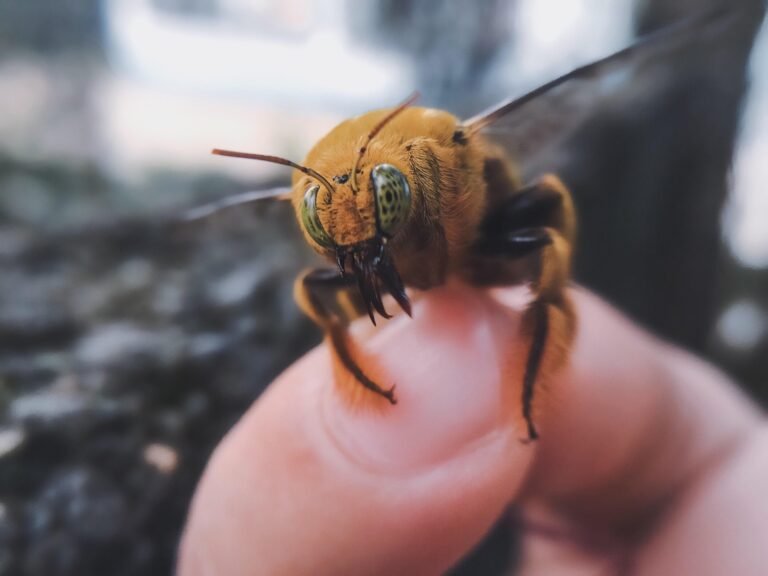
Taking photos of bees allows for more accurate identification. Many citizen science platforms enable users to upload images, which are then reviewed by experts or analyzed using AI tools.
This helps build detailed records of species distribution.
Timed Counts
Some programs use standardized methods, such as counting bees within a set time frame. For example, participants might observe a specific area for 10 minutes and record all bee activity.
This consistency makes the data easier to compare across different locations and time periods.
Habitat Monitoring
In addition to counting bees, monitoring the environment is also important. This includes noting the types of plants present, weather conditions, and any changes in the landscape.
These factors can influence bee populations and help explain trends in the data.
Tools and Technology in Bee Monitoring
Technology has made bee population monitoring more accessible than ever.
Smartphone apps allow users to record observations, upload photos, and even identify species in real time. GPS tracking ensures that data is accurately mapped, while online databases store and organize information for researchers.
Artificial intelligence is also playing a growing role. Image recognition tools can assist with species identification, making it easier for beginners to contribute.
These tools lower the barrier to entry, allowing more people to participate in meaningful research.
The Role of Local Communities
Local communities are at the heart of successful bee population monitoring.
Because people observe their own neighborhoods, they can provide detailed, long-term insights that might otherwise be missed. This is especially important for detecting subtle changes over time.
Community involvement also raises awareness. When people actively monitor bees, they become more connected to their environment and more motivated to protect it.
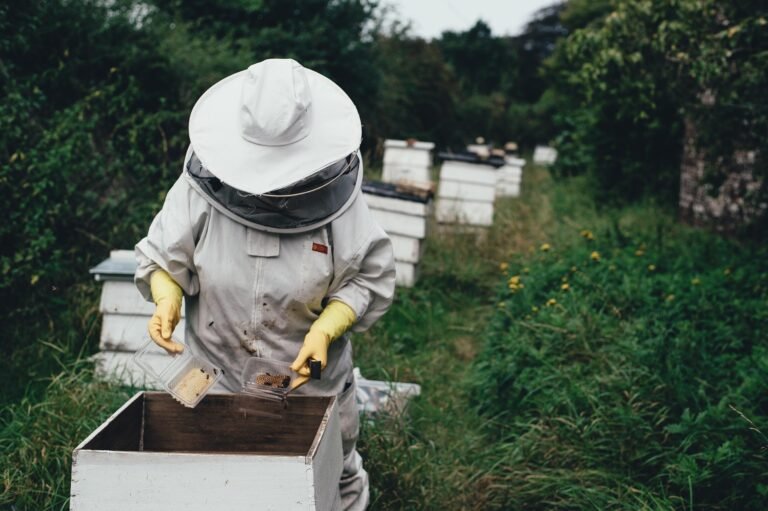
Schools, gardening groups, and environmental organizations often play a key role in organizing monitoring efforts and encouraging participation.
Challenges in Bee Population Monitoring
While citizen science offers many benefits, it also comes with challenges.
Data accuracy can vary depending on the experience of participants. Misidentification of species is a common issue, especially for beginners.
However, many programs address this by providing training resources, verification systems, and expert review.
Another challenge is consistency. For data to be meaningful, it needs to be collected regularly and in a standardized way. Irregular observations can make it harder to identify trends.
Despite these challenges, the overall value of citizen science remains high, especially when large numbers of participants are involved.
How You Can Get Involved
Getting started with bee population monitoring is easier than you might think.
You don’t need specialized equipment or advanced knowledge—just curiosity and a willingness to observe.
Start by spending time in your garden or a local green space. Watch how bees interact with flowers, and take note of what you see. Over time, you’ll begin to recognize patterns and differences between species.
You can also join citizen science programs that focus on pollinators. These platforms guide you through the process and allow you to contribute your observations to larger research efforts.
Even small contributions can make a big difference when combined with data from others.
The Bigger Picture: Protecting Bees Through Data
Bee population monitoring is more than just observation—it’s a critical tool for conservation.
The data collected through citizen science helps inform policies, guide habitat restoration efforts, and support initiatives aimed at protecting pollinators.
It also highlights the interconnectedness of ecosystems. Changes in bee populations often reflect broader environmental shifts, making them an important indicator of ecological health.
By participating in monitoring efforts, individuals become part of a larger movement to protect biodiversity and ensure the sustainability of natural systems.
Final Thought
Monitoring bee populations locally is one of the most impactful ways individuals can contribute to environmental conservation. Through citizen science, everyday observations become valuable data that supports research and informs action.
Bee population monitoring not only helps scientists understand what’s happening in the natural world, but it also empowers communities to take an active role in protecting it.
As more people get involved, the collective effort grows stronger, creating a clearer picture of bee health and a better chance of preserving these essential pollinators for future generations.