How Bees Remember Flower Locations and Cues
When most people think about bees, they picture buzzing wings, golden honey, and perhaps the occasional sting. What often goes unnoticed, however, is just how intelligent these tiny creatures really are. Beneath that small, fuzzy exterior lies a surprisingly sophisticated brain capable of learning, decision-making, and—most impressively—memory.
Bee memory is one of the most fascinating aspects of insect behavior. It allows bees to remember where flowers are located, identify which ones provide the best nectar, and navigate complex environments with remarkable precision. Without this ability, bees would struggle to survive, and the ecosystems that depend on them would suffer.
In this article, we’ll explore the science behind bee memory, how it works, and why it plays such a critical role in pollination and the natural world.
How Smart Are Bees, Really?
At first glance, it might seem unlikely that an insect with a brain the size of a sesame seed could possess any meaningful intelligence. Yet bees continue to surprise scientists with their cognitive abilities.
Bees can learn from experience, solve simple problems, and even recognize patterns and shapes. Studies have shown that bees can distinguish between different colors, associate scents with rewards, and remember routes over long distances. These abilities all rely on memory—specifically, different types of memory working together.
In terms of brain structure, bees have specialized regions known as mushroom bodies. These are responsible for learning and memory, and are similar in function (though not in complexity) to parts of the human brain. Despite their size, these structures are highly efficient, allowing bees to process and store information quickly.
Types of Bee Memory
Bee memory isn’t just one simple function—it’s made up of multiple layers that work together.
Short-Term Memory
Short-term memory allows bees to retain information for immediate use temporarily. For example, when a bee visits a flower, it can remember that flower’s location for a short period of time. This helps the bee avoid revisiting the same flower too soon, especially if it has already been depleted of nectar.
Long-Term Memory
Long-term memory is where things get really interesting. Bees can remember rewarding flower locations for days, and sometimes even longer. If a particular patch consistently provides nectar, bees will return to it again and again.
They can also remember visual landmarks—trees, rocks, buildings—and use them as navigation guides. This is why bees can travel several kilometers away from their hive and still find their way back.
Associative Memory
One of the most powerful aspects of bee memory is associative learning. Bees can link specific cues—such as color, shape, or scent—with a reward.
For instance, if a purple flower provides rich nectar, a bee will quickly learn to associate that color with food. Over time, it will prioritize similar flowers, making its foraging more efficient.
How Bees Remember Flower Locations
One of the most impressive uses of bee memory is navigation. Bees don’t just wander randomly—they follow learned routes, often referred to as “traplines.”
These routes are carefully optimized over time. A bee will visit a sequence of flowers in a specific order, minimizing energy use while maximizing nectar collection.
Visual Landmarks
Bees rely heavily on visual memory. They remember landmarks in their environment and use them as reference points. This could include trees, buildings, or even patterns in the landscape.
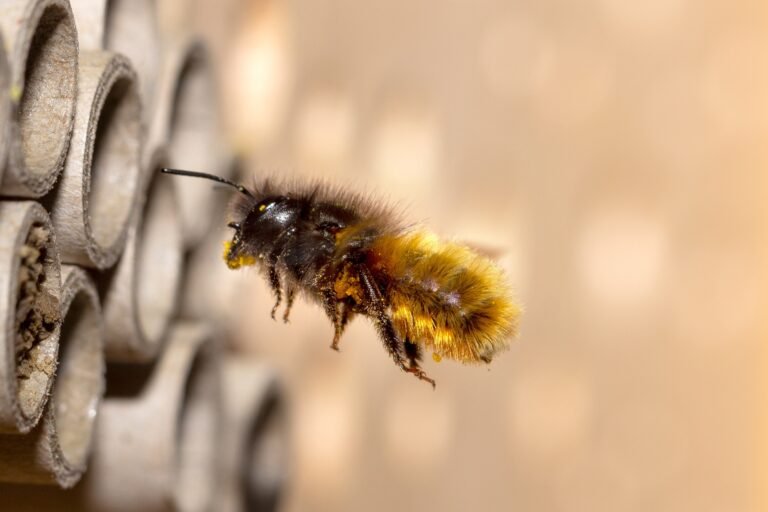
When a bee leaves the hive, it performs what is known as an “orientation flight.” During this process, it essentially memorizes the surrounding area, creating a mental map that it can use later.
Sun Position and Internal Clock
Bees also use the position of the sun as a compass. Combined with an internal biological clock, they can adjust their navigation throughout the day as the sun moves across the sky.
This ability allows bees to maintain accurate routes even when conditions change.
Scent Markers
In addition to visual cues, bees use scent to enhance memory. Flowers have unique chemical signatures, and bees can remember these scents with incredible accuracy.
They may also leave subtle scent markers behind, helping them recognize flowers they’ve already visited.
The Role of the Waggle Dance
Bee memory doesn’t just benefit individual bees—it’s shared with the colony.
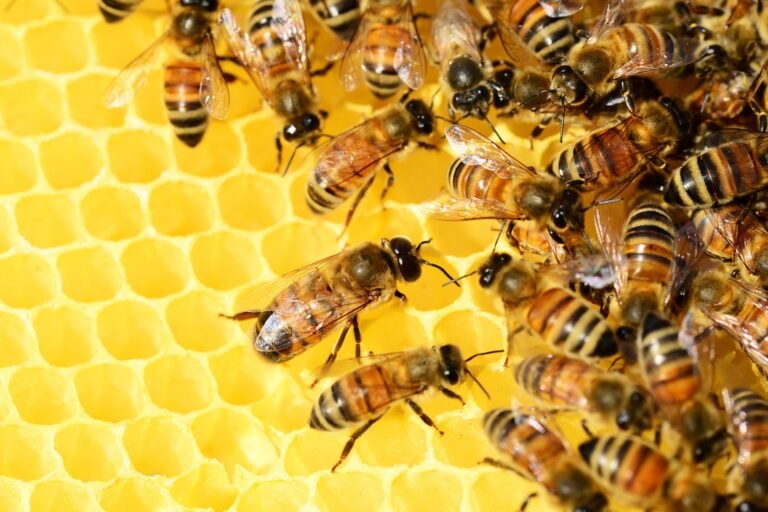
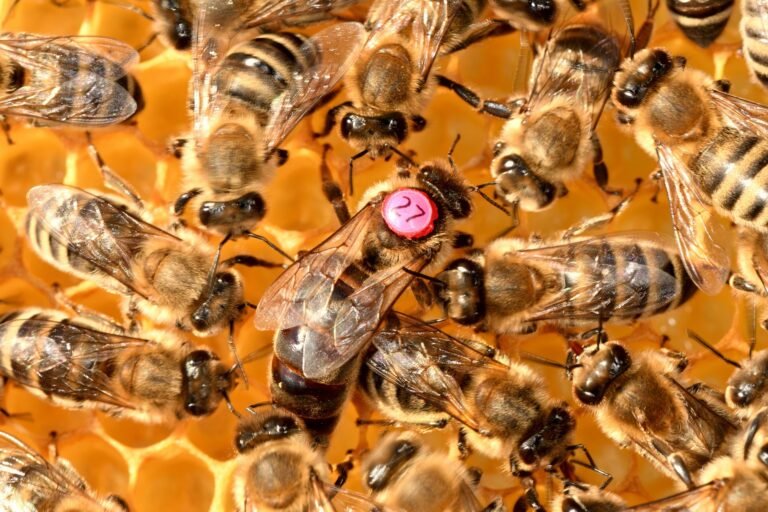
When a forager bee discovers a rich food source, it returns to the hive and performs a behavior known as the waggle dance. This dance communicates the direction and distance of the food source to other bees.
The receiving bees then use this information, combined with their own memory and navigation skills, to locate the flowers.
This is a powerful example of collective intelligence, where individual memory contributes to the success of the entire hive.
How Long Can Bees Remember?
Research suggests that bees can retain certain memories for several days, and in some cases, even longer. However, memory retention depends on factors such as:
- The quality of the reward
- Frequency of visits
- Environmental conditions
If a food source continues to provide nectar, the memory is reinforced. If it disappears, the memory gradually fades, allowing the bee to adapt and seek out new sources.
This balance between remembering and forgetting is crucial. It prevents bees from wasting energy on unproductive flowers while still allowing them to take advantage of reliable ones.
Why Bee Memory Matters for Pollination
Bee memory isn’t just fascinating—it’s essential for ecosystems.
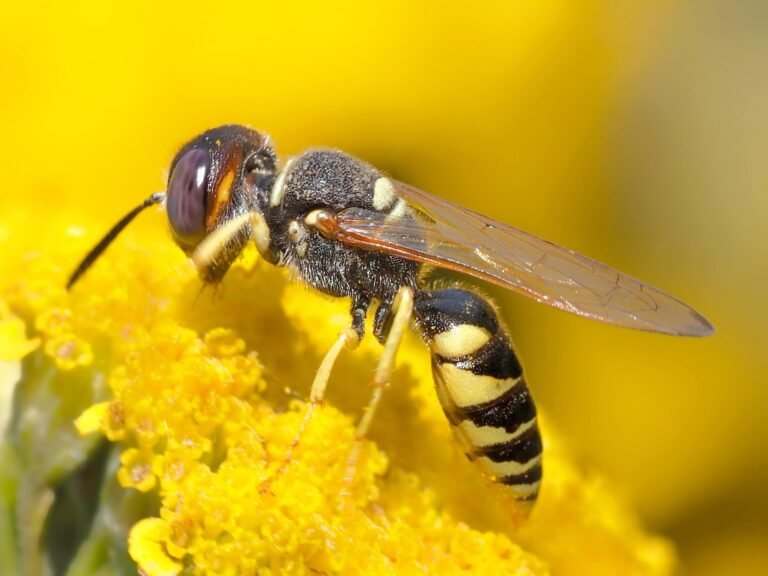
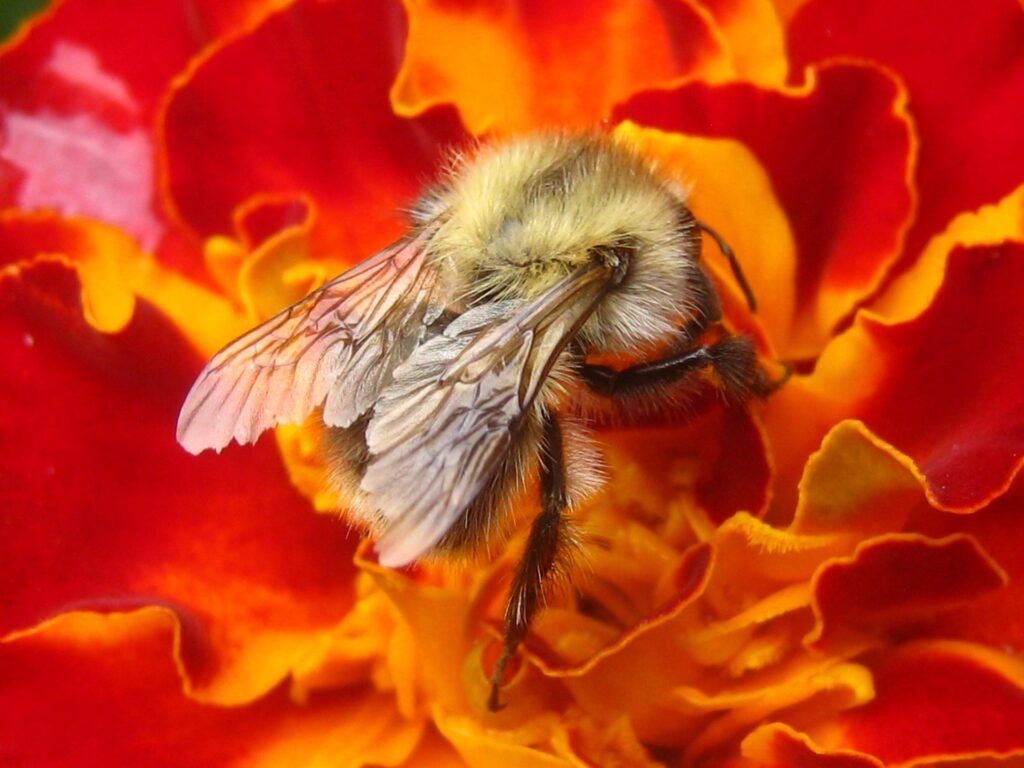
Because bees remember which flowers are most rewarding, they tend to visit the same types of flowers repeatedly. This behavior, known as flower constancy, improves pollination efficiency.
When a bee visits multiple flowers of the same species, it transfers pollen more effectively, increasing the chances of successful fertilization. This is critical for plant reproduction, food production, and biodiversity.
Without strong memory, bees would move randomly between flowers, reducing pollination success and impacting entire ecosystems.
What Affects Bee Memory?
Like any biological function, bee memory can be influenced by external factors.
Pesticides
Certain pesticides have been shown to impair bee memory and learning. This can disrupt their ability to navigate and locate food, ultimately threatening colony survival.
Habitat Loss
When natural habitats are destroyed, bees lose the landmarks and floral diversity they rely on. This makes it harder for them to form and use reliable memories.
Climate Change
Changes in temperature and seasonal patterns can affect flowering times. If flowers bloom earlier or later than expected, bees may struggle to match their memory-based foraging patterns with available resources.
Final Thought
The science behind bee memory reveals a world of complexity hidden within one of nature’s smallest creatures. From remembering flower locations to navigating vast distances and communicating with their hive, bees rely on memory in ways that are both intricate and essential.
Understanding bee memory not only deepens our appreciation for these incredible insects but also highlights the importance of protecting them. Their ability to remember and learn is directly tied to their role as pollinators—and, ultimately, to the health of our ecosystems.
By supporting bee-friendly environments and reducing harmful practices, we can help ensure that these remarkable creatures continue to thrive.