How You Can Help Track Pollinators
Bees play a vital role in ecosystems across the globe, pollinating plants that support wildlife, agriculture, and biodiversity. Yet in many regions, bee populations are under pressure from habitat loss, pesticide use, climate change, and disease. Understanding these changes requires more than isolated research—it requires a global effort.
That’s where bee monitoring programs come in.
Today, people around the world are contributing to scientific research by observing, recording, and sharing data about bees in their local environments. These efforts, often part of citizen science initiatives, allow researchers to track pollinator populations on a scale that would otherwise be impossible.
In this article, we’ll explore some of the most impactful bee monitoring programs around the world and show you how you can get involved—no matter where you live.
Why Global Bee Monitoring Matters
Bee populations don’t exist in isolation. Environmental changes in one region can ripple across ecosystems, affecting plant life, food systems, and biodiversity far beyond local boundaries.
Global bee monitoring programs help scientists:
- Track population trends over time
- Identify species in decline
- Understand how climate change affects pollinators
- Develop conservation strategies
By collecting data from different countries and habitats, researchers can build a clearer picture of how bees are responding to global challenges.
Without this kind of coordinated effort, it would be much harder to detect large-scale patterns or respond effectively.
Leading Bee Monitoring Programs Around the World
One of the most exciting aspects of modern conservation is that anyone can participate. Whether you’re in a city, suburb, or rural area, there are programs designed to help you contribute.
iNaturalist
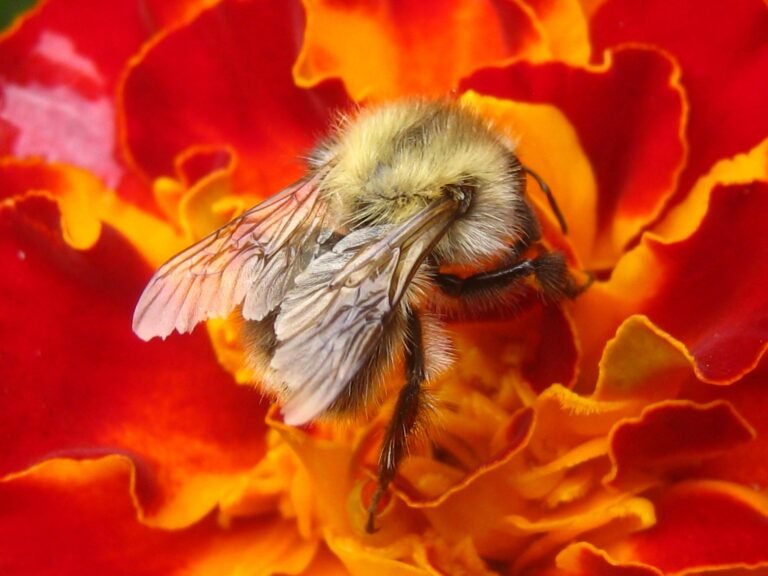
One of the most widely used citizen science platforms, iNaturalist, allows users to record observations of plants and animals—including bees. Simply take a photo, upload it through the app, and the platform will help identify the species.
Your observation becomes part of a global database used by scientists, researchers, and conservationists.
Because of its ease of use and global reach, iNaturalist is often the best starting point for beginners.
Bumble Bee Watch
Focused specifically on bumblebees, this program invites participants to upload photos and sightings to help track populations across North America.
Experts verify submissions, making it a reliable source of data for researchers studying bumblebee distribution and conservation.
This program is especially valuable because many bumblebee species are experiencing significant declines.
The Great Sunflower Project
This initiative encourages participants to observe pollinators visiting flowers over a set period of time. While it includes a range of pollinators, bees are a central focus.
The structured approach—often involving timed observations—helps create consistent data that can be compared across regions.
It’s a great option for those who enjoy spending time in their garden while contributing to research.
BeeWalk
Developed in the United Kingdom, BeeWalk is a long-term monitoring program that tracks bumblebee populations through standardized surveys.
Participants walk a fixed route regularly, recording the bees they encounter. This method provides highly consistent data, making it especially useful for tracking changes over time.
Although based in the UK, it serves as a model for similar programs worldwide.
Xerces Society
The Xerces Society supports a range of pollinator monitoring and conservation initiatives, particularly in North America. They provide resources, training, and opportunities for individuals to get involved in bee surveys and habitat restoration.
Their work bridges the gap between citizen science and professional research, helping ensure that collected data leads to meaningful conservation action.
Choosing the Right Program for You
With so many bee monitoring programs available, the best choice depends on your interests and level of experience.
If you’re just starting out, a photo-based platform like iNaturalist is ideal. It’s simple, flexible, and doesn’t require specialized knowledge.
If you’re interested in more structured data collection, programs like The Great Sunflower Project or BeeWalk offer a more guided approach.
Some people enjoy contributing casually, while others prefer to commit to regular monitoring. Both approaches are valuable, and both contribute to the bigger picture.
How to Start Monitoring Bees Anywhere
Getting started with bee monitoring is surprisingly simple.
Begin by observing the bees in your local environment. This could be your backyard, a nearby park, or even a balcony garden. Pay attention to the types of flowers bees visit, the time of day they are most active, and how many you see.
Taking photos is one of the easiest ways to contribute. Even if you’re not sure what species you’ve found, platforms like iNaturalist can help identify it.
Consistency is key. Returning to the same location over time allows you to notice patterns and changes, making your observations even more valuable.
Most importantly, approach it with curiosity. You don’t need to be an expert—just willing to look a little closer.
Connecting Local Observations to Global Impact
One of the most powerful aspects of bee monitoring programs is how local observations contribute to global understanding.
A single photo uploaded from your garden becomes part of a much larger dataset. When combined with thousands of other observations, it helps scientists identify trends, track species distribution, and respond to emerging challenges.
This connection between local action and global impact is what makes citizen science so effective.
Even small contributions can play a role in protecting pollinators worldwide.
The Future of Bee Monitoring
As technology continues to evolve, bee monitoring programs are becoming more advanced and accessible.
Artificial intelligence is improving species identification, making it easier for beginners to participate. Mobile apps are streamlining data collection, and global databases are growing more comprehensive.
At the same time, awareness of pollinator decline is increasing, leading to greater participation in citizen science initiatives.
The future of bee monitoring will likely depend on this combination of technology and community involvement.
Final Thought
Bee monitoring programs around the world are transforming the way we study and protect pollinators. By combining scientific research with citizen participation, these initiatives are creating a powerful network of observation and data collection.
You don’t need specialized training or equipment to get involved. All it takes is a willingness to observe, record, and share what you see.
In doing so, you become part of a global effort to understand and protect one of the most important groups of organisms on our planet.
And in a world where bee populations face growing challenges, that effort has never been more important.