The bee lifecycle is one of nature’s most fascinating and finely tuned processes, a delicate transformation that unfolds in stages yet supports entire ecosystems. From the moment a tiny egg is laid inside a wax cell to the emergence of a fully developed adult bee, each step is purposeful, efficient, and essential to the survival of the colony. Understanding the bee lifecycle not only deepens our appreciation for these remarkable pollinators but also highlights just how fragile and important their existence truly is.
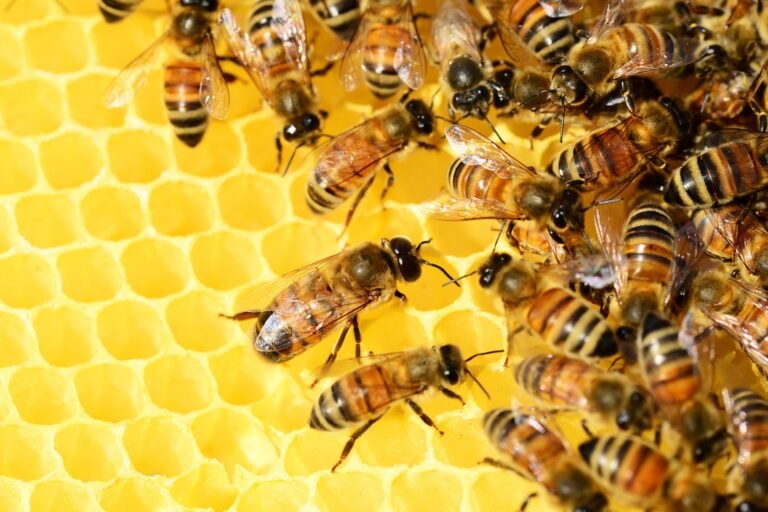
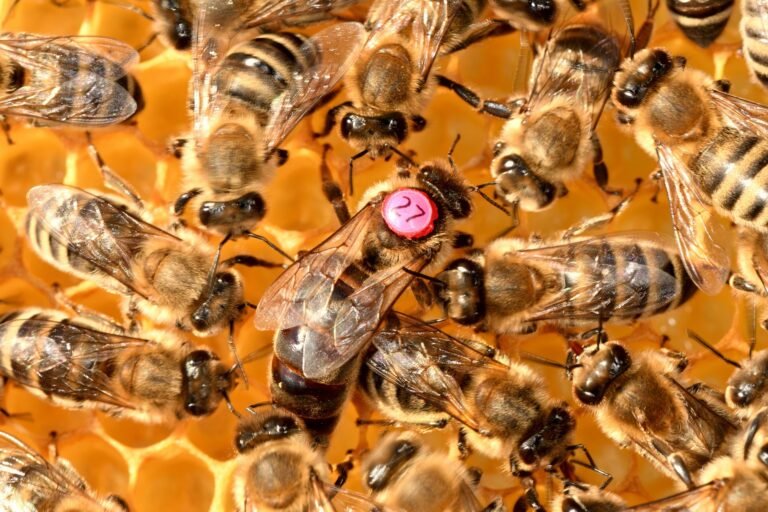
At the heart of every bee lifecycle is the queen, the sole reproductive female in most bee colonies. Her primary role is to lay eggs, sometimes thousands in a single day during peak season. Each egg she lays is carefully placed within a hexagonal wax cell inside the hive. Depending on how the egg is fertilized, it will develop into either a female worker bee or a male drone. Fertilized eggs become female bees, while unfertilized eggs develop into males. This remarkable biological system allows the colony to regulate its population and maintain balance.
The first stage of the bee lifecycle begins with the egg. These eggs are incredibly small, often no larger than a grain of rice, and are nearly impossible to notice without close inspection. For approximately three days, the egg remains upright within the cell before gradually tipping over as it prepares to hatch. During this time, it undergoes rapid internal development, setting the stage for the next transformation. Though seemingly insignificant, this stage is critical, as it determines the future role the bee will play within the colony.
Once the egg hatches, it enters the larval stage, which is characterized by rapid growth and constant feeding. Bee larvae are small, white, and worm-like, lacking legs, eyes, or wings. They are entirely dependent on worker bees for nourishment. Worker bees feed the larvae a substance known as royal jelly during the early days of development. This nutrient-rich secretion is produced by glands in the heads of young worker bees and plays a vital role in determining the bees’ future. Larvae destined to become queens are fed exclusively on royal jelly, while those that will become workers or drones receive a mixture of pollen and nectar after the initial feeding period.
The larval stage is a period of intense development. Within just a few days, the larva grows dramatically, shedding its outer skin several times in a process known as molting. As it consumes more food, it fills the entire cell, preparing for the next stage of the bee lifecycle. Worker bees then seal the cell with a wax cap, signaling the transition from larva to pupa. This moment marks one of the most extraordinary transformations in the natural world.
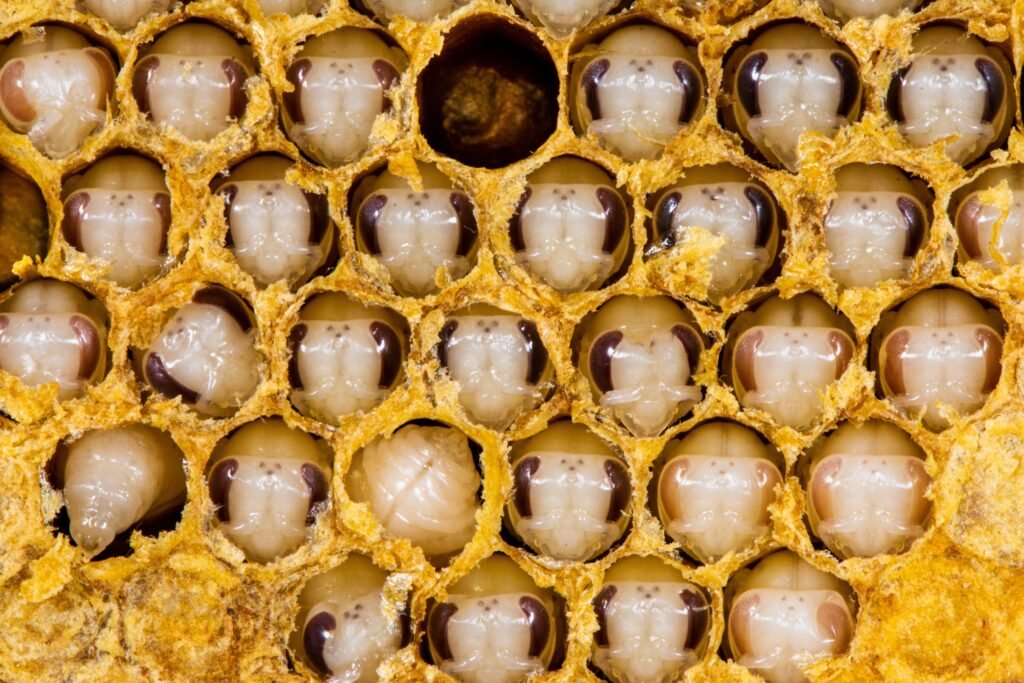
Inside the sealed cell, the larva undergoes metamorphosis during the pupal stage. This is where the bee begins to take on its recognizable form. Wings, legs, compound eyes, and body segments develop as the larval tissues reorganize into a fully structured insect. Though hidden from view, this transformation is incredibly complex and energy-intensive. Over the course of several days, the pupa gradually darkens in color, indicating that it is nearing maturity.
The duration of the pupal stage varies depending on the type of bee. Worker bees typically take around 12 days in this stage, while drones require slightly longer. Queen bees, however, develop more quickly, completing their pupal stage in a shorter time frame. This accelerated development allows a colony to replace a queen rapidly if needed, ensuring continuity and survival.
When the transformation is complete, the adult bee emerges by chewing its way out of the wax cap. This marks the final stage of the bee lifecycle. At this point, the bee is fully formed but not yet fully experienced. Worker bees immediately begin their duties within the hive, starting with cleaning cells and caring for brood. As they age, their roles evolve, eventually leading them outside the hive as foragers collecting nectar and pollen.
Adult bees play highly specialized roles within the colony. Worker bees, which are all female, perform a wide range of tasks including feeding larvae, building and repairing the hive, guarding the entrance, and foraging for food. Drones, the male bees, have a singular purpose: to mate with a queen. They do not collect food or contribute to hive maintenance. The queen, meanwhile, continues her role as the colony’s reproductive center, ensuring the ongoing cycle of life within the hive.
The length of the bee lifecycle varies depending on the bee’s role. Worker bees typically live for several weeks during the busy summer months, while drones live only until mating or until they are expelled from the hive as resources become scarce. Queen bees, however, can live for several years, continuously laying eggs and sustaining the colony over multiple seasons.
Environmental factors play a significant role in the bee lifecycle. Temperature, food availability, and overall hive health can all influence development time and survival rates. For example, a well-nourished colony with abundant resources will produce stronger, healthier bees. Conversely, stressors such as pesticides, disease, and habitat loss can disrupt the lifecycle, leading to weakened colonies or even collapse.
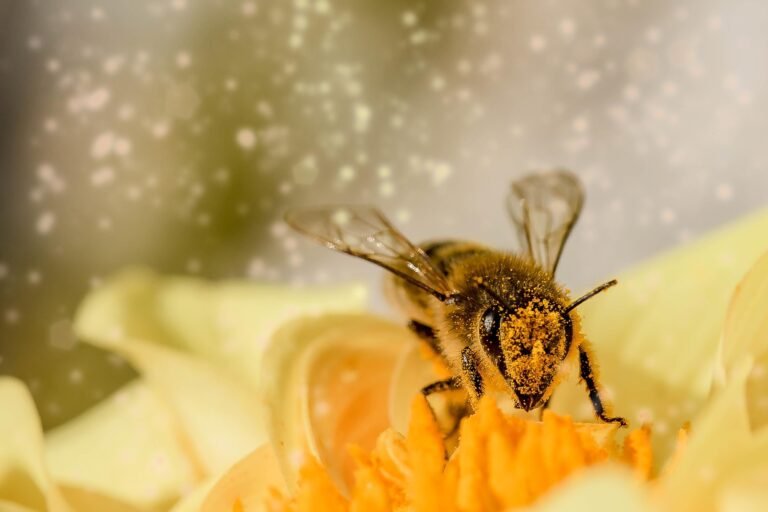
One of the most fascinating aspects of the bee lifecycle is its connection to the broader ecosystem. As adult bees leave the hive to forage, they pollinate flowers, facilitating the reproduction of plants. This process supports not only wild ecosystems but also agricultural systems that humans depend on for food. Without bees completing their lifecycle and fulfilling their roles, many plants would struggle to reproduce, leading to cascading effects throughout the environment.
Understanding the bee lifecycle also provides insight into how we can better protect these essential pollinators. Simple actions, such as planting bee-friendly flowers, reducing pesticide use, and supporting local beekeepers, can have a meaningful impact. By creating environments where bees can thrive at every stage of their lifecycle, we contribute to the health of both bee populations and the ecosystems they support.
In many ways, the bee lifecycle is a story of transformation, cooperation, and resilience. Each bee, from its earliest moments as an egg to its final days as an adult, plays a role in a system far greater than itself. It is a reminder that even the smallest creatures can have a profound impact on the world around them.
As we continue to learn more about bees and their lifecycle, one thing becomes clear: their survival is closely tied to our own. Protecting bees means protecting biodiversity, food security, and the delicate balance of nature. By understanding the bee lifecycle, we take an important step toward ensuring that these incredible pollinators continue to thrive for generations to come.