Simple Ways to Support Pollinators
Bees are among the most important creatures on our planet, yet they are facing growing challenges in today’s world. From habitat loss to pesticide exposure and climate change, bee populations are under increasing pressure.
The good news is that helping bees doesn’t require specialized knowledge, expensive equipment, or a large piece of land. In fact, even small actions—taken consistently—can make a meaningful difference.
This beginner’s guide is designed to show you exactly how to help bees in simple, practical ways. Whether you have a backyard, a balcony, or just a willingness to learn, there are steps you can take to support pollinators and contribute to a healthier ecosystem.
Why Helping Bees Matters
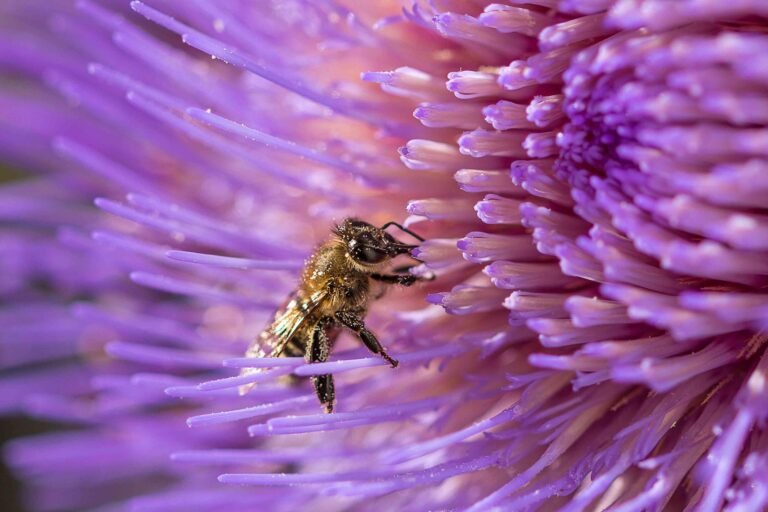
Bees play a critical role in pollination, which supports the growth of plants, flowers, fruits, and vegetables. Without bees, many ecosystems would struggle to survive, and food production would be significantly impacted.
Helping bees is not just about protecting a single species—it’s about maintaining balance in the natural world.
When bee populations thrive, plant life flourishes. This, in turn, supports other wildlife, improves biodiversity, and contributes to a more resilient environment.
Planting Flowers That Bees Love
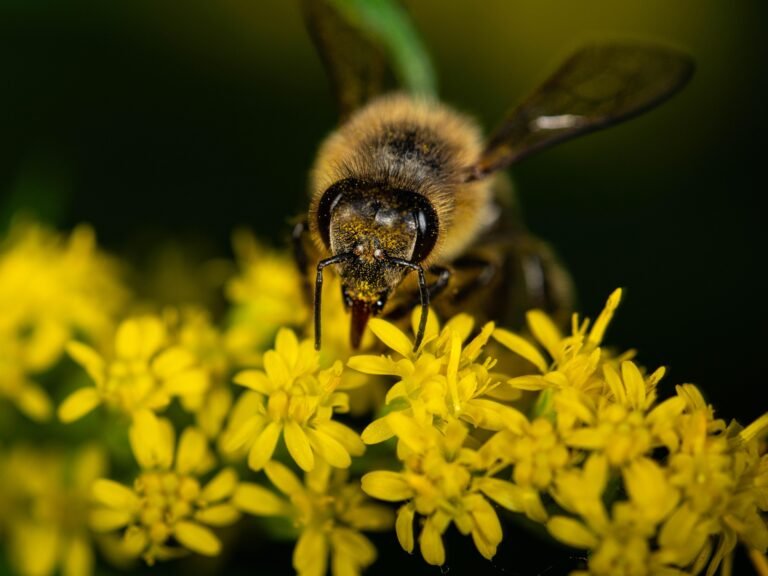
One of the most effective ways of helping bees is by providing them with a steady source of food.
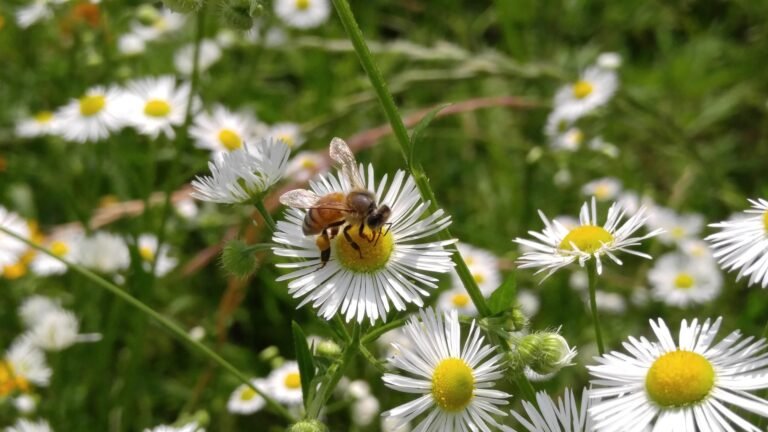
Bees rely on nectar and pollen from flowers, and not all plants are equally beneficial. Choosing the right flowers can make a significant difference in attracting and supporting local bee populations.
Native plants are often the best choice because they are naturally suited to local bee species. Flowers such as lavender, coneflowers, sunflowers, and wildflowers are particularly attractive to bees.
It’s also important to plant a variety of flowers that bloom at different times throughout the season. This ensures that bees have access to food from early spring through late fall.
Avoiding Harmful Pesticides
While plants provide food, the way we care for them can either help or harm bees.
Pesticides—especially certain chemical insecticides—can be extremely harmful to pollinators. Even small amounts can affect a bee’s ability to navigate, forage, and return to the hive.
Choosing natural or organic alternatives is one of the simplest ways to reduce risk. In many cases, healthy garden practices—such as proper watering, soil care, and plant diversity—can minimize the need for pesticides altogether.
Helping bees often means working with nature rather than trying to control it.
Providing Water for Bees
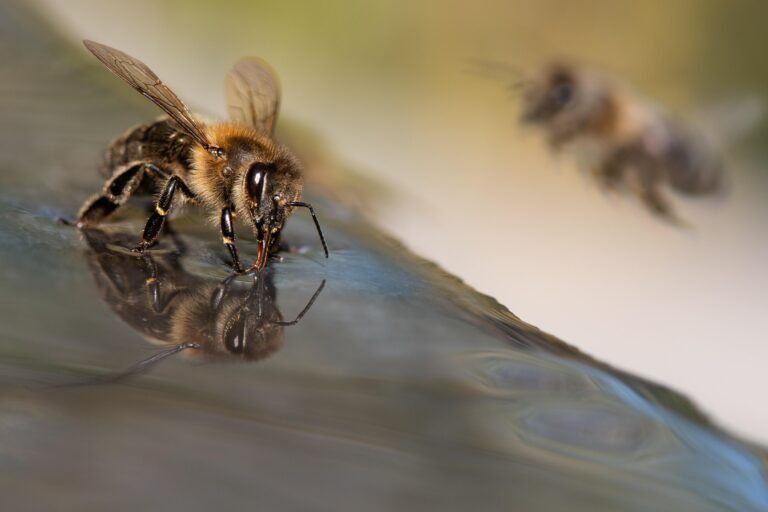
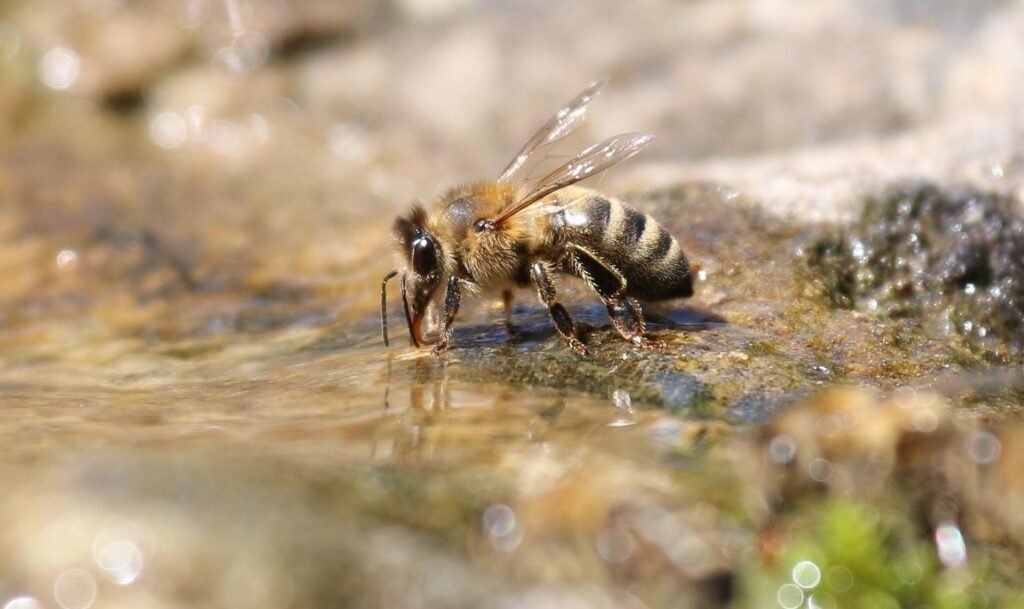
Like all living creatures, bees need water to survive.
During hot weather, water sources can become scarce, especially in urban environments. Providing a simple water source can make a big difference.
A shallow dish filled with water and small stones or pebbles gives bees a safe place to land and drink. Without these landing spots, bees can easily drown.
Placing this in a quiet area of your garden or balcony creates a reliable hydration source for passing pollinators.
Creating Bee-Friendly Habitats
Beyond food and water, bees need safe places to live and rest.
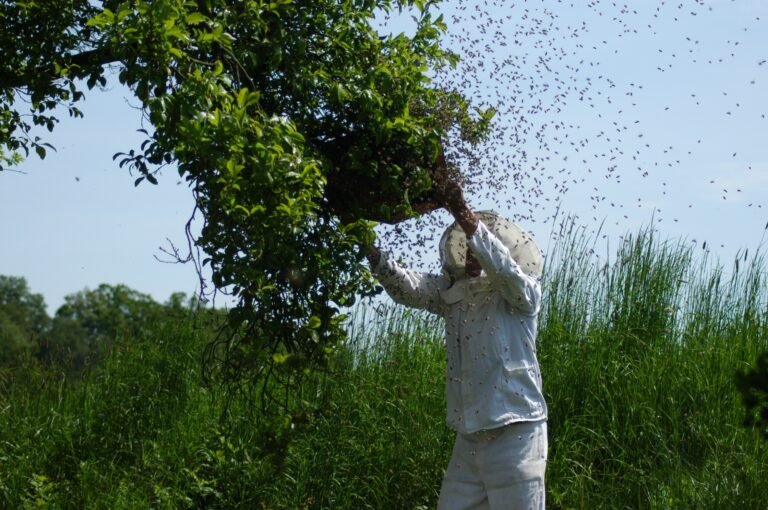
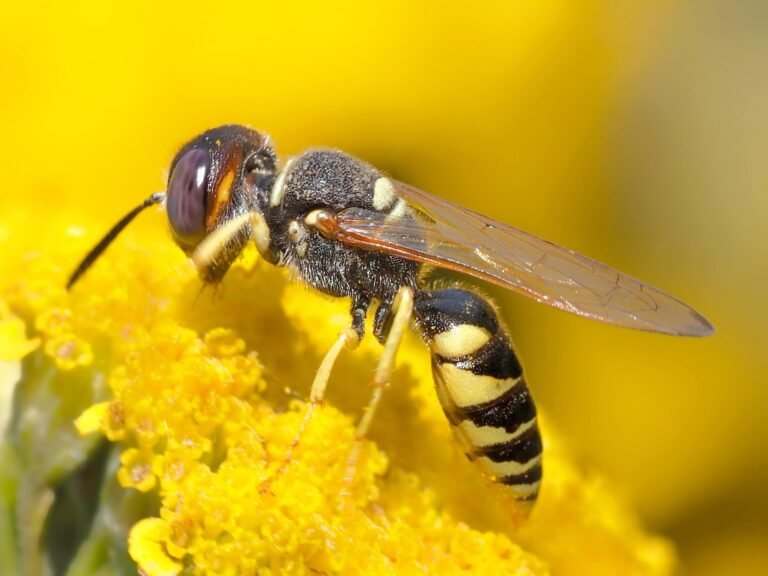
Many people think only of honeybees, but there are thousands of bee species, including solitary bees that do not live in hives. These bees often nest in the ground, hollow stems, or small cavities.
Leaving parts of your garden a little wild can provide natural nesting opportunities. Dead wood, plant stems, and undisturbed soil are all valuable habitats.
You can also install a bee hotel to support solitary bees.
These structures offer small tubes or holes where bees can safely lay their eggs. They’re easy to install and can be a great addition to any bee-friendly space.
Supporting Local and Organic Farming
Helping bees extends beyond your own space.
Agricultural practices have a significant impact on bee populations. Supporting local farms—especially those that use organic or sustainable methods—can help reduce pesticide exposure and promote healthier ecosystems.
Farmers’ markets, community-supported agriculture (CSA), and organic products are all ways to make bee-friendly choices as a consumer.
Every purchase sends a signal about the kind of practices we want to support.
Participating in Bee Monitoring and Citizen Science
If you want to take your involvement a step further, you can contribute directly to research.
Citizen science programs allow individuals to observe and record bee activity, helping scientists track populations and identify trends.
iNaturalist is a great place to start. By simply taking photos of bees and uploading them, you contribute to a global database used for conservation.
Programs like Bumble Bee Watch and initiatives supported by the Xerces Society also provide opportunities to get involved.
This is where individual action becomes part of a much larger effort to protect pollinators worldwide.
Educating Others About Bees
Helping bees isn’t just about what you do—it’s also about what you share.
Many people still fear bees or misunderstand their role in nature. By spreading awareness, you can help shift perceptions and encourage more bee-friendly behavior.
This could be as simple as talking to friends, sharing articles, or involving children in learning about pollinators.
The more people understand bees, the more likely they are to protect them.
Small Actions, Big Impact
One of the most encouraging things about helping bees is that every small action counts.
You don’t need to transform your entire yard or become an expert overnight. Even a few bee-friendly plants or a small water dish can make a difference.
When these actions are repeated across thousands of homes and communities, the impact becomes significant.
Helping bees is not about perfection—it’s about participation.
Final Thought
Bees may be small, but their role in the world is enormous. Supporting them doesn’t require complex solutions—just thoughtful, consistent choices.
By planting the right flowers, avoiding harmful chemicals, providing water and habitat, and participating in citizen science, anyone can contribute to protecting pollinators.
This beginner’s guide is just the starting point. As you learn more and take action, you become part of a growing movement dedicated to preserving one of nature’s most essential creatures.
And that’s something worth buzzing about.